
What Are the Five Rules of Pruning? A Complete Guide for Homeowners
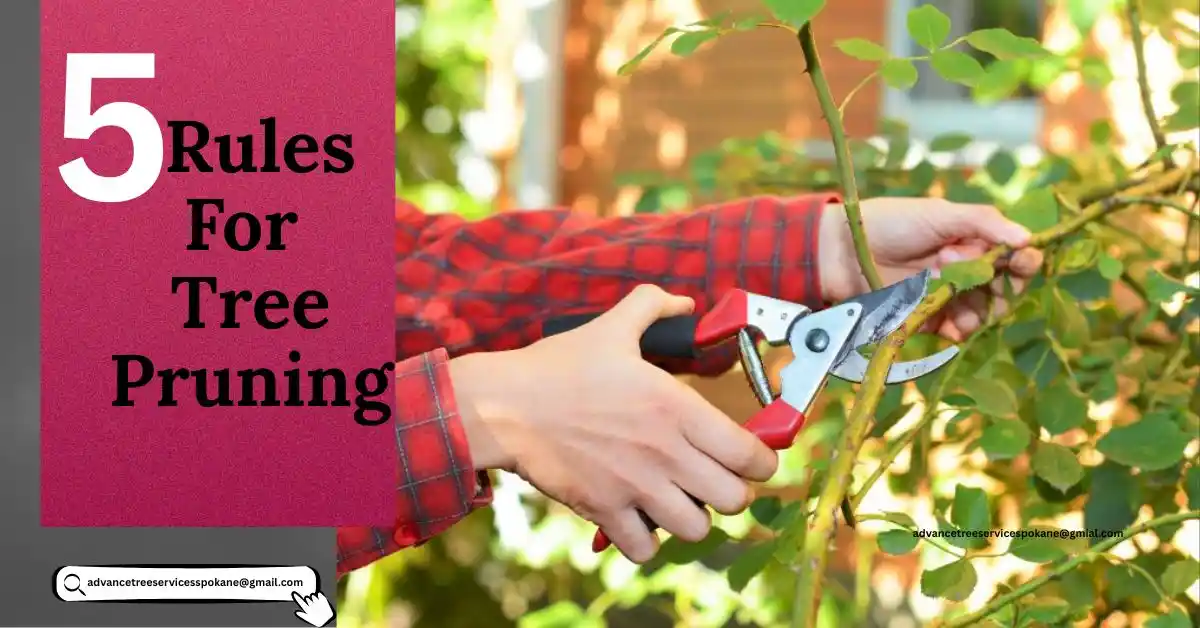
Proper pruning in Spokane follows five rules: remove dead wood, cut at the branch collar, avoid over-pruning, prune at the right time, and use proper tools and techniques. Following these keeps trees healthy, safe, and strong.
- Remove Dead or Diseased Wood
- Cut at the Branch Collar
- Avoid Over-Pruning
- Prune at the Right Time
- Use Proper Tools and Techniques
Why Proper Pruning is Important
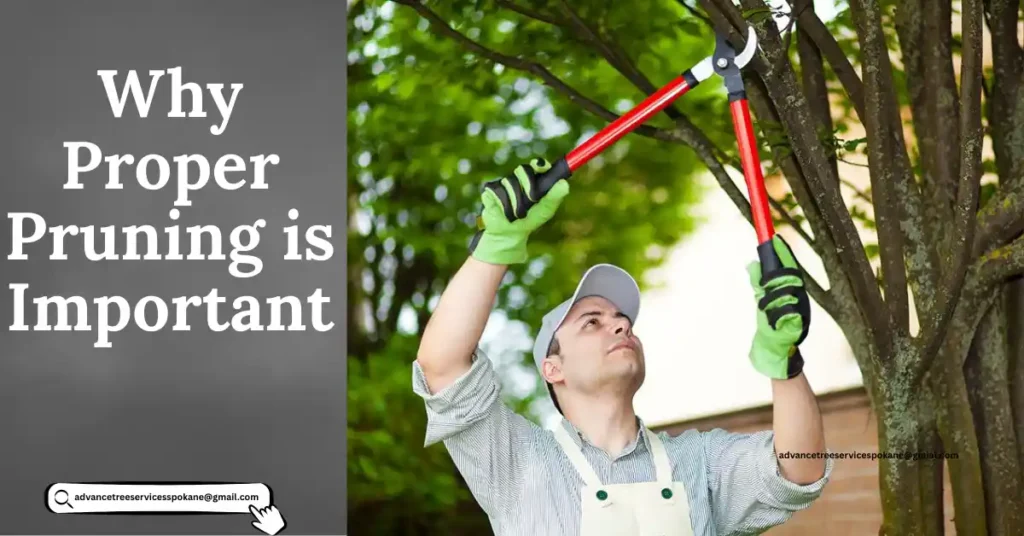
Proper pruning keeps your trees healthy and safe in Spokane. It prevents damage and helps trees grow strong while improving the look of your yard.
| Benefits of Pruning | Risks of Incorrect Pruning |
| Removes dead wood | Weakens branches |
| Removes damaged branches | Can cause disease |
| Improves tree structure | May attract pests |
| Supports strong growth | Stresses the tree |
| Increases sunlight and air circulation | Slows growth |
| Helps fruit and flowering trees produce better | Can reduce tree lifespan |
| Enhances yard appearance | Damages tree health |
| Spokane homeowners maintain healthy and safe trees | Wrong cuts or timing harms trees |
The Five Rules of Pruning in Spokane
Following the five rules of pruning keeps trees healthy and strong. These rules prevent mistakes, protect tree structure, and improve growth. Applying them correctly ensures a safe and beautiful yard.
Rule 1 Remove Dead or Diseased Wood
Removing dead or diseased branches prevents pests and disease from spreading. It also improves tree health and allows new growth. Check trees regularly and prune any damaged parts safely.
Rule 2 Cut at the Right Location (Branch Collar)
Always make cuts at the branch collar, the natural area where the branch meets the trunk. Cutting correctly helps the tree heal faster and prevents damage to the main structure.
Rule 3 Avoid Over-Pruning
Do not remove too many branches at once. Over-pruning can stress the tree and slow growth. Limit cuts to maintain live foliage and tree health.
Rule 4 Prune at the Right Time
Prune trees during the proper season for each species. Dormant season pruning reduces stress and prevents excessive sap loss. Correct timing improves tree recovery and growth.
Rule 5 Use Proper Tools and Techniques
Use pruning shears, loppers, or saws suitable for branch size. Follow safe techniques to protect yourself and the tree. Proper tools and methods make pruning efficient and reduce mistakes.
Common Pruning Mistakes to Avoid
Avoiding common pruning mistakes keeps trees healthy and safe in Spokane. Many homeowners make errors that can weaken branches or slow growth. Knowing what to avoid helps protect tree health and improves yard appearance.
Shallow Cuts or Wrong Angle
Making cuts too shallow or at the wrong angle can damage the branch collar. This slows healing and increases the risk of disease or pests. Always cut correctly to protect the tree structure.
Ignoring Small Sprouts
Small sprouts can grow into weak branches if ignored. Removing them early prevents overgrowth and keeps the tree balanced. Check trees regularly to manage new growth.
Pruning in the Wrong Season
Pruning at the wrong time stresses trees and can reduce growth. Always prune during the proper season for each tree species. Dormant season pruning is often safest.
DIY vs Professional Pruning in Spokane
Choosing between DIY pruning and hiring a professional tree service in Spokane depends on safety, tools, and expertise. Both options have benefits and drawbacks, and the right choice keeps trees healthy and your yard safe.
Pros and Cons of DIY
DIY pruning saves money and allows you to maintain small trees yourself. It works best for light pruning using proper tools like pruning shears or loppers. The downside is that mistakes can harm tree health, weaken branches, or slow growth if cuts are wrong or done at the wrong time.
When to Hire a Certified Arborist
DIY pruning saves money and allows you to maintain small trees yourself. It works best for light pruning using proper tools like pruning shears or loppers. The downside is that mistakes can harm tree health, weaken branches, or slow growth if cuts are wrong or done at the wrong time.
Safety Tips for Pruning
Pruning safely in Spokane protects you and your trees. Following safety rules prevents accidents and keeps pruning effective.
Using Ladders and Tools Safely
Always use stable ladders and hold tools properly. Make sure ladders are on firm ground and pruning tools are sharp and clean. This prevents accidents and protects tree branches.
Protective Gear for Pruning
Wear gloves, goggles, and sturdy clothing while pruning. Protective gear shields you from cuts, falling branches, and sap. Safety gear is essential for all pruning work.
Pruning for Different Tree Types
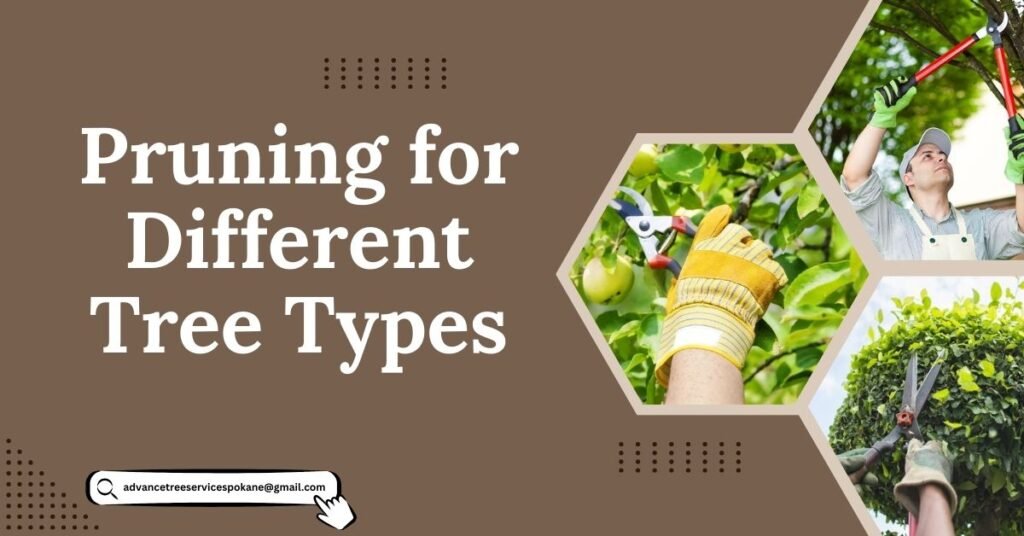
Pruning varies by tree type. Correct methods keep each tree healthy and strong in Spokane.
Pruning Fruit Trees
Remove dead wood and shape the tree to allow sunlight. This improves fruit production and prevents disease.
Pruning Flowering Trees
Trim after flowering to maintain shape and encourage blooms next season. Remove damaged branches carefully.
Pruning Evergreen Trees
Prune evergreens lightly to maintain shape. Remove only damaged or overcrowded branches to keep the tree healthy.
How to Promote Tree Health After Pruning
After pruning, take steps to help trees recover and grow strong in Spokane.
Fertilizing and Mulching
After pruning, take steps to help trees recover and grow strong in Spokane.
Watering Techniques
Water trees deeply and regularly after pruning. Proper watering encourages new growth and keeps trees strong.
Monitoring for Disease
Check trees for pests or signs of disease regularly. Early detection prevents damage and keeps trees healthy.
Seasonal Pruning Tips
Timing pruning correctly helps trees recover and grow well in Spokane.
Spring Pruning Tips
Prune after frost ends. Focus on removing damaged branches and shaping the tree.
Summer Pruning Tips
Trim lightly to control growth and remove dead or diseased branches. Avoid heavy pruning in heat.
Fall and Winter Pruning Tips
Prune dormant trees to reduce stress and prepare for spring growth. Focus on structural cuts.
Tools You Need for Pruning in Spokane
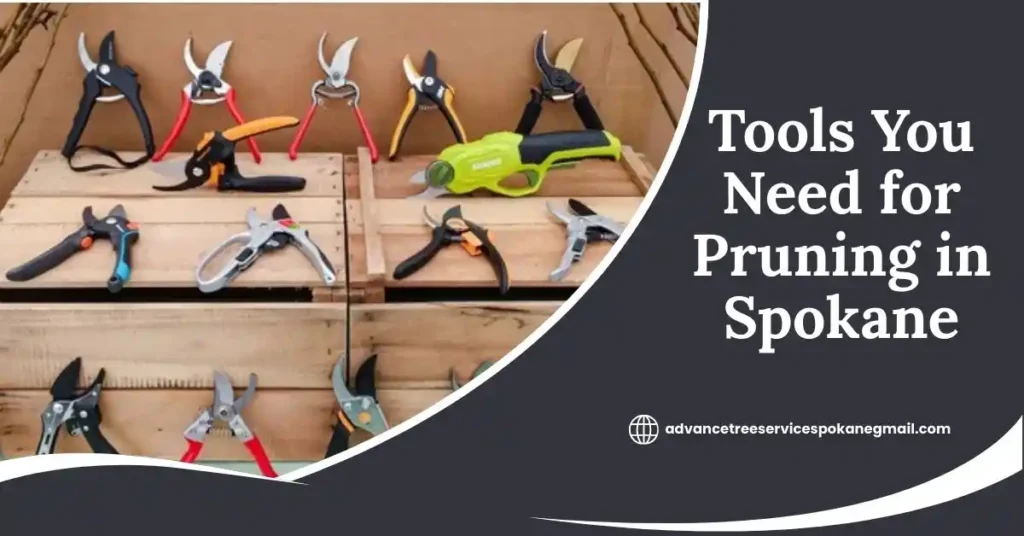
The right tools make pruning safe and effective.
Hand Tools (Pruners, Loppers, Saws)
Use pruners for small branches, loppers for medium ones, and saws for large branches. Sharp tools make clean cuts and protect tree health.
Safety Equipment (Gloves, Goggles)
Always wear gloves and goggles. Protective gear prevents injuries and allows safe pruning for every tree type.
Conclusion
Following the five rules of pruning keeps trees healthy and strong in Spokane. Safe and proper pruning protects tree structure and prevents damage. Homeowners can prune small branches themselves, but hiring a professional is recommended for large trees or complex jobs. Applying these rules ensures a beautiful and safe yard all year.
FAQs
How often should I prune my trees?
Prune most trees once a year in Spokane. Fruit and flowering trees may need light pruning more often to remove dead wood and shape branches.
Can pruning improve fruit production?
Yes, pruning removes dead and crowded branches. This allows more sunlight and air to reach the fruit, improving growth and yield in Spokane gardens.
How do I prevent disease when pruning?
Use clean, sharp pruning tools and cut at the branch collar. Removing dead or diseased wood and following proper techniques reduces the risk of infection.
Is it safe to prune large branches myself?
Pruning large branches can be risky. Hiring a certified arborist in Spokane is recommended to protect yourself and ensure proper tree care.
Can I prune in winter or summer?
Pruning large branches can be risky. Hiring a certified arborist in Spokane is recommended to protect yourself and ensure proper tree care.