What Is the 1-2-3 Rule of Pruning? Essential Tips for Tree Health
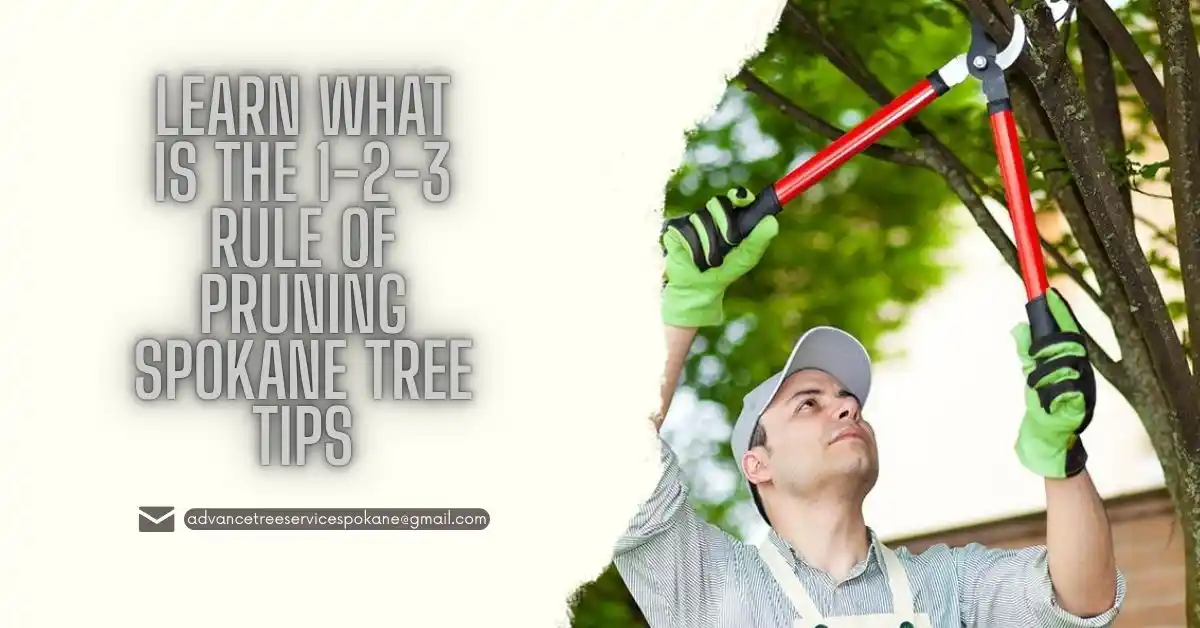
The 1-2-3 Rule of Pruning is a simple method for safely removing tree branches while keeping the tree healthy. In Spokane, homeowners and property managers follow this rule to keep their trees strong, disease-free and well-shaped.
This rule involves three steps
- First cut (under cut): make a small cut under the branch to prevent bark from tearing when it falls.
- Second cut (top cut): cut the branch from above a little further out from the first cut so it safely drops.
- Third cut (final collar cut): trim the remaining stub close to the branch collar to allow quick healing.
Understanding the 1-2-3 Rule of Pruning
Proper pruning begins with understanding the three-step process that protects tree health and prevents damage. This method is widely used by homeowners, landscapers, and professionals tree service Spokane to maintain strong and well-shaped trees.
Step-1: The Under Cut
The under cut is made beneath the branch to prevent bark from tearing when it falls. Making this cut correctly protects the branch collar and ensures the tree remains structurally sound. Using pruning shears or a hand saw carefully reduces the risk of accidental damage.
Step-2: The Top Cut
The top cut is made slightly further out from the under cut. This allows the branch to fall safely without harming the tree. Loppers or pole pruners make handling larger branches easier and safer. Careful top cuts also reduce the chance of injuries to anyone nearby.
Step-3: The Final Collar Cut
The final cut is made close to the branch collar, which helps the tree heal quickly and prevents disease. Maintaining the correct branch angle supports proper growth and ensures the tree remains strong and visually appealing. This step completes the 1-2-3 process, which balances safety and tree health.
Benefits of the 1-2-3 Rule
Following this pruning method brings several advantages for tree health, aesthetics, and safety.
Maintains tree structure and strength
Proper tree pruning ensures that branches grow in the right direction and prevents weak or crossing branches. This contributes to the long-term structural stability of the tree.
Prevents disease and pest infestations
Removing dead, diseased, or damaged branches stops fungal growth and prevents pests from spreading, protecting the entire tree.
Improves sunlight and air circulation
Correct pruning opens up the canopy, allowing sunlight to reach inner branches and air to flow freely, which is essential for healthy leaves and growth.
Reduces risk of storm damage
Well-maintained trees with strong branches are less likely to break during storms or heavy winds, keeping your property safe.
H2: Common Pruning Mistakes to Avoid
Even experienced homeowners can make mistakes while pruning. These errors can weaken trees, slow growth, and make them more prone to disease or storm damage. Being aware of common pitfalls helps keep trees healthy and safe.
Cutting too close or too far from the branch collar
Cutting too close can damage the tree’s protective tissues, slowing healing. Cutting too far leaves a stub that can attract pests or disease. Proper placement ensures strong growth and faster recovery.
Over-pruning or removing too much
Removing too many branches stresses the tree and reduces its ability to grow. Over-pruning can leave the tree weak and vulnerable to disease. Following a gradual pruning process protects its health and structure.
Ignoring dead or diseased branches
Dead, damaged, or diseased branches can spread infection to healthy parts of the tree. They can also attract pests that harm growth. Regular removal keeps the tree strong and your property safe.
Using improper tools
Using blunt or incorrect tools can tear or crush branches, causing unnecessary damage. Proper tools like pruning shears, loppers, or hand saws make pruning safer and more effective.
Tools Required for Pruning
Using the right tools makes pruning safer and more effective. Proper equipment helps protect both the tree and the person pruning, while ensuring clean cuts that promote healthy growth.
Hand pruners / pruning shears
Hand pruners and pruning shears are perfect for small branches and delicate tree trimming. They allow precise cuts without damaging surrounding branches or the tree structure.
Loppers and pole saws
Loppers are useful for medium-sized branches, while pole saws help reach higher or hard-to-access areas. These tools reduce strain and make pruning more efficient.
Safety gloves and glasses
Wearing gloves and safety glasses protects hands and eyes from cuts and falling debris. Safety gear ensures that pruning is done without injury and keeps the work environment safe.
When to hire a professional arborist
Certified arborists in Spokane are recommended for large, high, or complicated branches. Professional tree services reduce risks to property and ensure the tree remains healthy after pruning.
Best Time to Prune Trees in Spokane
Timing is important for tree pruning. Pruning at the right time helps trees recover faster, reduces stress, and supports healthy growth.
Dormant season pruning (late winter / early spring)
Pruning during the dormant season keeps trees healthy and prepares them for new growth. It minimizes stress and reduces the risk of disease or pest infestation.
Avoid pruning during heavy growth or disease
Cutting trees while they are actively growing or stressed can damage branches and increase infection risk. Waiting for the right season keeps trees strong.
Local Spokane tree care recommendations
Homeowners in Spokane should follow guidance from local tree care experts. Seasonal advice and species-specific pruning tips help maintain strong, healthy trees.
DIY vs Professional Pruning
Understanding your limits ensures safe pruning and better tree outcomes. Some tasks can be done at home, while others require professional care.
Safe pruning for homeowners
Homeowners can trim small branches safely using the right tools and proper techniques. Routine pruning keeps trees healthy without risking injury.
When to call a certified arborist in Spokane
Large branches, diseased trees, or complicated pruning tasks should be handled by a certified arborist. Professionals reduce risks and ensure the tree remains healthy.
Cost vs safety considerations
Hiring a professional may cost more, but it protects the tree and property. Safe pruning reduces stress on the tree and prevents costly mistakes.
Spokane Tree Care Tips
Local knowledge helps maintain strong and healthy trees throughout the year. Spokane homeowners can benefit from professional advice.
Common tree species in Spokane and their pruning needs
Maples, oaks, and conifers each require specific pruning techniques. Understanding species needs ensures proper growth and reduces disease risks.
Seasonal care advice
Following the right pruning schedule for each tree species maximizes growth and prevents stress. Seasonal care improves air circulation and sunlight penetration.
Local resources and arborist contacts
Spokane arborists and local tree service companies provide expert guidance. They help with residential or commercial tree pruning and long-term maintenance.
Conclusion
The 1-2-3 Rule of Pruning is an easy-to-follow method that keeps trees healthy and safe. Using proper techniques, the right tools, and knowing when to call a Spokane arborist ensures trees remain strong, disease-free, and well-shaped.
FAQs
What is the 1-2-3 rule for pruning trees?
A three-step method to safely remove branches while maintaining tree health.
Why is the 1-2-3 pruning rule important?
It prevents damage, disease, and encourages proper tree growth and structure.
H3:How much of a tree can you prune safely?
Avoid removing more than one-third of a tree’s branches in a single session.
When should you not prune a tree?
Do not prune during active growth or when trees are stressed or diseased.
Can improper pruning damage a tree?
Yes, incorrect cuts or over-pruning can weaken the tree and slow healing.