
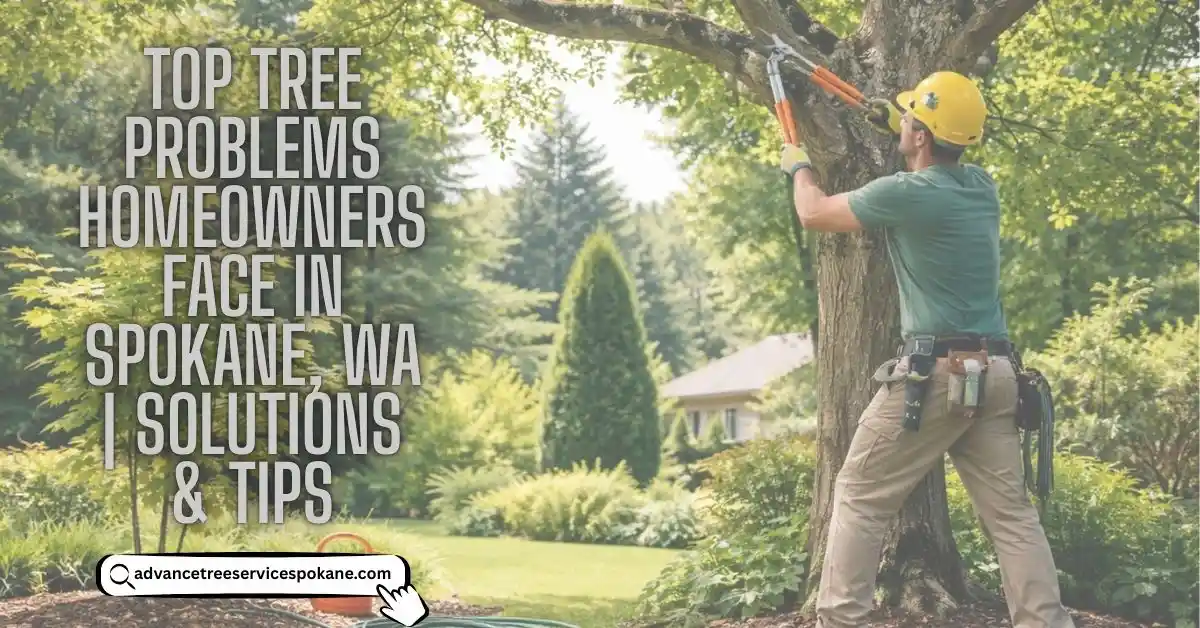
Top Tree Problems Homeowners Face in Spokane, WA | Tips for Safe Tree Care
Homeowners in Spokane, WA often have tree problems like dead or weak branches, pests, sick trees, damaged roots, structural issues and storm damage. These problems can make trees weak and put your property at risk. Checking trees regularly, pruning when needed and looking out for pests or disease helps keep trees healthy and safe. Knowing what to watch for lets homeowners fix problems before they get worse.
Common Tree Problems in Spokane
Understanding common tree problems helps homeowners protect their property and maintain healthy trees.
Dead, Dying, or Weak Branches
Dead or weak branches can break easily and fall, damaging property or causing injury. Tree Pruning these branches improves safety and allows healthy growth. Regular checks prevent decay from spreading to healthy limbs.
Structural Problems and Split Branches
Trees with leaning trunks, split limbs, or crossing branches are at higher risk of falling. Corrective pruning strengthens trees and keeps the canopy balanced. This reduces hazards to property and people.
Pest Infestations and Diseased Trees
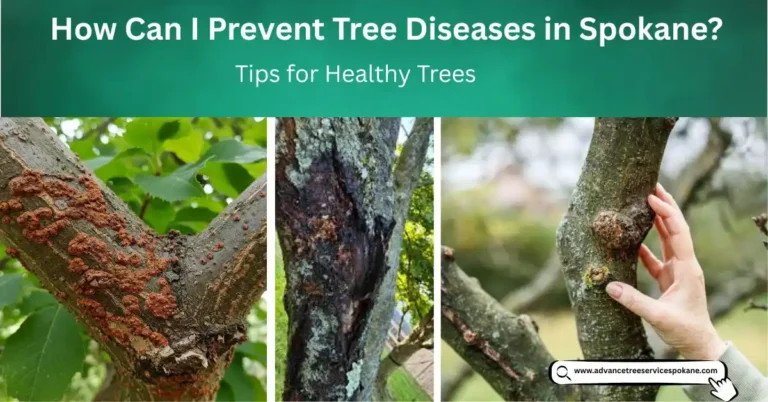
Common pests in Spokane include aphids, borers, and scale insects that can damage tree health. Diseases like fungal infections, leaf spots, and cankers also weaken trees over time. Professional Tree Service Spokane experts can detect these problems early and provide proper treatment to prevent serious damage and protect nearby trees.
Damaged Roots and Overgrowth
Roots injured by construction or compacted soil make trees unstable. Overcrowded branches block sunlight and airflow, encouraging disease. Proper care and thinning keep trees strong and healthy.
Storm and Environmental Damage
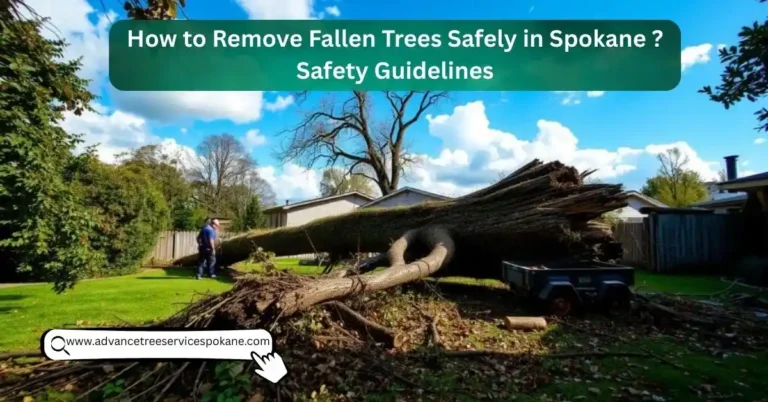
Wind, ice, snow, or heavy rain can break branches or uproot trees. Preventive pruning and regular inspections reduce storm risks and protect property.
How to Prevent Tree Problems
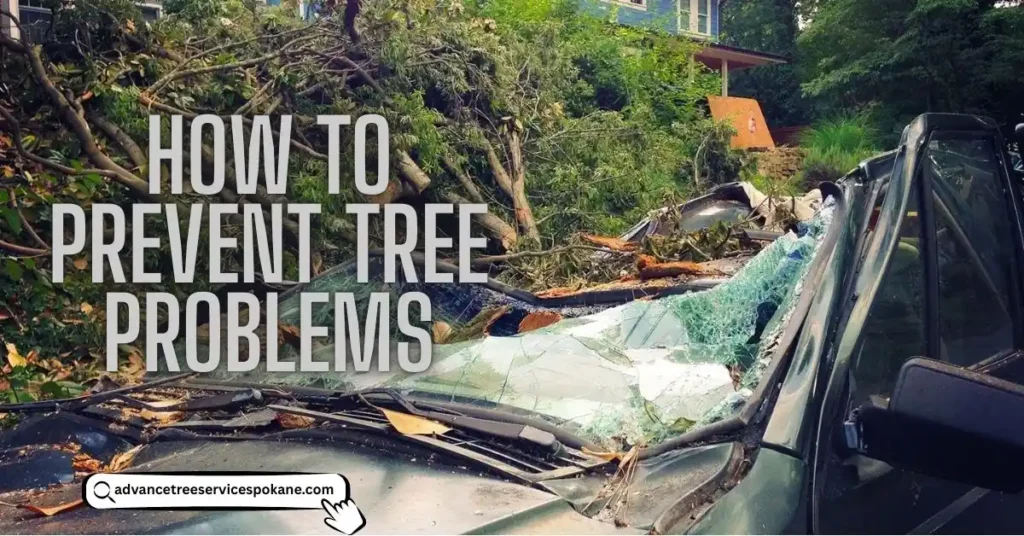
Preventive care is key to keeping trees healthy in Spokane and avoiding costly repairs. Regular attention and timely maintenance reduce hazards, improve growth, and protect property.
Regular Inspections
Homeowners in Spokane should check their trees for dead branches, weak limbs, pests, or signs of disease at least once a season. Early detection helps address problems before they spread or worsen. Frequent observation also allows you to plan pruning and preventive care effectivel
Proper Pruning and Trimming
Pruning damaged, dead, or weak branches strengthens the tree and maintains a balanced canopy. Proper tree trimming improves sunlight penetration, air circulation, and overall health. Regular pruning reduces hazards and encourages strong, resilient growth throughout the year.
Pest and Disease Management
Monitor trees for insects and early signs of disease, such as leaf discoloration, holes, or unusual growths. Treat minor infestations promptly using safe methods, and call certified Spokane arborists for larger or persistent problems. Timely action prevents damage from spreading to other trees.
Root and Soil Care
Water trees deeply, especially during dry periods, and apply mulch around the base to retain moisture and protect roots. Avoid compacting the soil near the root zone and ensure proper aeration. Healthy roots improve stability and help trees resist stress, disease, and storm damage.
DIY vs Professional Tree Care
Knowing when to handle tree care yourself and when to call a professional keeps trees healthy and reduces the risk of property damage. Safe practices and timely help ensure strong growth and long-term tree safety in Spokane.
Safe DIY Tasks
Homeowners can safely prune small branches, water trees deeply, and apply mulch using the right tools and techniques. Regular observation and light maintenance help prevent minor problems from turning into serious issues. Following proper methods also protects both the tree and property.
Hiring a Spokane Arborist
For large branches, diseased trees, or complex structural problems, hiring a certified Spokane arborist is the safest option. Professionals have the experience and equipment to handle risks, protect property, and maintain the long-term health of trees.
Cost vs Safety
While DIY tree care may save money, it can be risky if trees are large or damaged. Professional services provide safety, proper pruning, and expert care that protects trees and property over time. Investing in experts prevents costly mistakes and supports healthy growth.
Seasonal Tree Care in Spokane
Different seasons require different care to keep trees strong and healthy.
Spring Care
Prune lightly, fertilize, and check for early pests to prepare trees for growth.
Summer Care
Water deeply, remove dead leaves, and watch for insects. Protect trees from drought stress.
Fall Care
Clean fallen debris, mulch roots, and prune weak branches to prepare trees for winter.
Winter Care
Prune during dormancy, remove broken branches, and protect trees from snow or ice damage.
Common Mistakes to Avoid
Avoiding common mistakes helps Spokane homeowners keep trees healthy and safe. Understanding what not to do reduces damage and ensures long-term tree growth.
Over-Pruning
Removing too many branches at once stresses trees and can slow growth. Prune selectively and focus on dead, weak, or damaged branches. Careful pruning improves tree health and reduces the risk of future problems.
Incorrect Cuts
Cutting too close or too far from the branch collar can cause slow healing or decay. Always make cuts in the correct location to help the tree recover quickly. Proper technique preserves strength and structure.
Ignoring Pests or Disease
Neglecting branches affected by pests or disease allows problems to spread. Early tree removal and treatment protect the tree and prevent damage to nearby plants. Regular monitoring is essential.
Using Wrong Tools
Blunt or inappropriate tools can harm the tree and increase the risk of injury. Use the right pruners, loppers, and saws for each task. Proper equipment makes maintenance safer and more effective.
Spokane Specific Tips
Local knowledge is key for maintaining healthy trees in Spokane. Understanding species, climate, and available resources helps homeowners take effective care and prevent common problems.
Common Tree Species
Maples, oaks, and conifers are common in Spokane yards. Each type has different pruning, watering, and disease prevention needs. Knowing the species helps homeowners provide the right care throughout the year.
Local Climate Considerations
Spokane’s dry summers and cold winters affect when and how to water, prune, and protect trees. Adjusting care according to seasonal weather ensures strong growth and reduces stress on the trees.
Resources and Arborist Contacts
Certified Spokane arborists and local tree service companies offer guidance for pruning, disease control, and emergency tree care. Homeowners can rely on experts for advice, seasonal support, and professional services when needed.
Conclusion
Taking care of trees in Spokane helps keep them strong, healthy, and safe. Homeowners should watch for dead or weak branches, pests, and signs of disease. Regular pruning, seasonal maintenance, and timely action prevent problems before they get worse. Following these steps protects both trees and property while ensuring long-term growth and beauty.
FAQs
How often should Spokane homeowners inspect their trees?
Homeowners should inspect trees at least once a season and after storms to catch problems early.
What are common pests in Spokane trees?
Aphids, borers, and scale insects are common pests that can weaken trees if untreated.
When should I hire a professional arborist?
Hire a certified arborist for large branches, diseased trees, or structural problems to ensure safety.
How can I protect trees during Spokane’s dry summers?
Water deeply, mulch around roots, and monitor for drought stress or pest infestations.
Can over-pruning damage my trees?
Yes, removing too many branches can weaken trees and make them more prone to disease or storm damage.