
Will Lumber Companies Really Cut Down Trees for Free? A Complete Guide
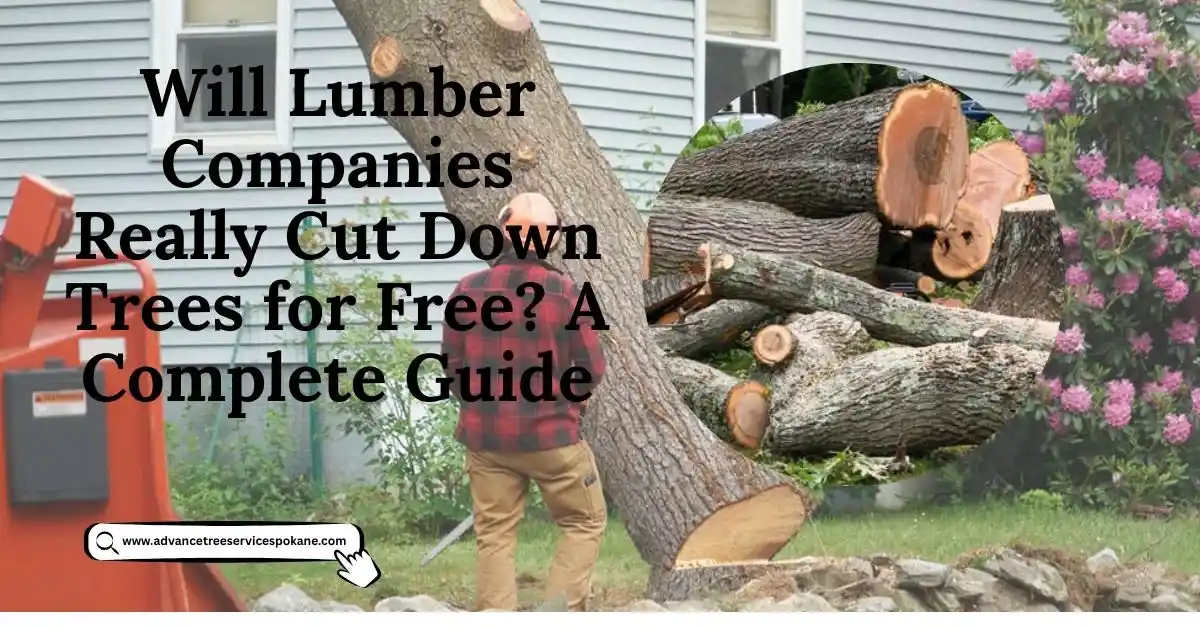
Yes, lumber companies can sometimes cut down trees for free. It depends on the tree’s value, size, type, location, and the company’s rules. Many homeowners wonder if they can save money by letting someone else remove their trees. In this guide, we will explain when free tree removal is possible, what affects it, what to do if it’s not free, and some tips to do it safely and cheaply.
Why Lumber Companies Might Remove Trees for Free
Not every tree is worth removing for free, but some trees can provide enough timber value to make it profitable for lumber companies. Companies weigh the potential resale value of the wood against labor and risk. Understanding why some trees qualify helps homeowners know what to expect.
Value of the Tree
High-value hardwoods like oak, maple, or cherry are often sought after for lumber. If a tree has quality wood, companies may remove it at no cost because they can resell the timber and cover labor expenses.
Type and Size of the Tree
Large, straight, and healthy trees are easier to process and more valuable. Small, crooked, or damaged trees may not be worth the company’s time, making free removal less likely.
Location and Accessibility
Trees in open, easily accessible areas are simpler to remove. Those near fences, buildings, or steep terrain may require extra effort or equipment, reducing the chances of free service.
Company Policy
Policies vary between lumber companies. Some focus on timber sales and might remove trees for free, while others are tree service spokane companies that charge for labor regardless of wood value.
Factors That Affect Free Tree Removal
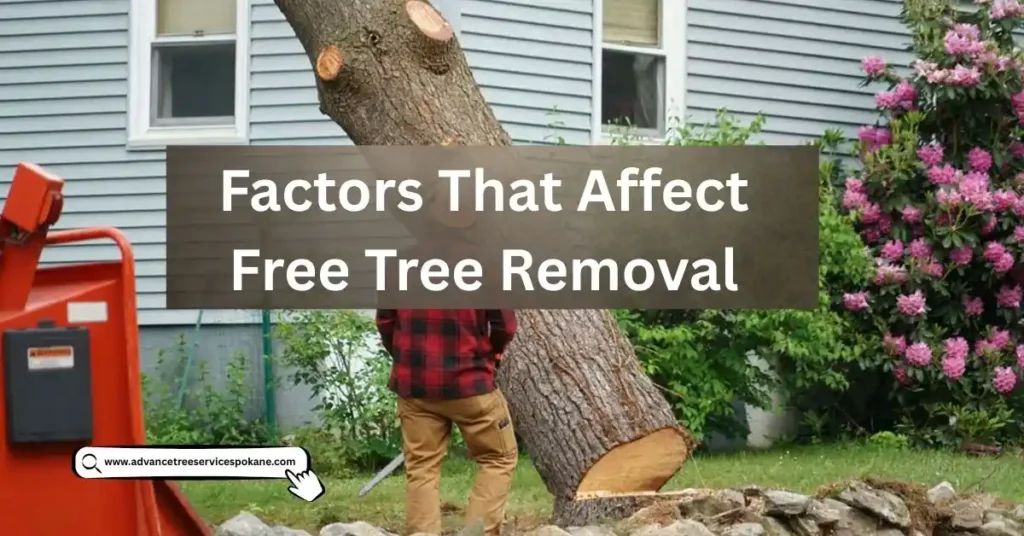
Even when a tree seems valuable, several factors can influence whether a company will remove it for free. These include health, market demand, risk, and even the time of year. Knowing these factors helps homeowners make informed decisions.
Tree Health and Quality
Companies prefer trees that are healthy, straight, and undamaged. Diseased or broken trees may require extra effort to remove safely, which can lead to charges even if the wood is valuable.
Market Demand for Timber
Some wood species are in higher demand, making them more likely to qualify for free tree removal. Less sought-after species may not be profitable enough for the company to remove without a fee.
Risk and Liability
Trees near homes, power lines, or on uneven terrain pose a higher risk. Companies may charge for these removals to cover potential liabilities and ensure safety for their crew and your property.
Seasonal Factors
The timber market fluctuates seasonally, affecting whether removal is offered for free. Some trees are more profitable during specific times of the year, which can influence company decisions.
H2: Pros and Cons of Free Tree Removal
Free tree removal may sound ideal, but it comes with both advantages and limitations. Understanding the pros and cons helps homeowners decide whether this option is suitable for their situation.
Pros of Free Tree Removal
Free removal saves money on labor, helps clear hazards from your yard, and allows valuable timber to be repurposed. For homeowners with high-value trees, it’s an opportunity to get professional service without paying upfront.
Cons and Limitations
Not all trees qualify for free removal. The company may prioritize other jobs, and you may have less control over scheduling or methods used during removal.
Hidden Costs to Watch For
Even if removal is advertised as free, there may be hidden expenses such as stump grinding, debris hauling, or cleanup services. Always clarify what’s included before scheduling removal.
Alternatives When Free Tree Removal Isn’t Available
If lumber companies won’t remove your tree for free, there are several other options. Homeowners can choose professional services, sell the timber themselves, use municipal programs, or even attempt safe DIY removal.
Hiring Professional Tree Services
Professional arborists provide safe, efficient tree removal. Though not free, their expertise reduces the risk of injury or property damage.
Selling the Wood Yourself
Homeowners can sell firewood or timber to local buyers, sawmills, or woodworkers to offset removal costs.
Municipal or City Programs
Many cities, including Spokane, offer support for tree removal, especially for hazardous trees. Check local programs for partial funding or services.
DIY Tree Removal
For small trees, homeowners can attempt removal themselves using proper tools and safety measures. DIY can save money but requires knowledge and caution.
Tips to Save Money on Tree Removal
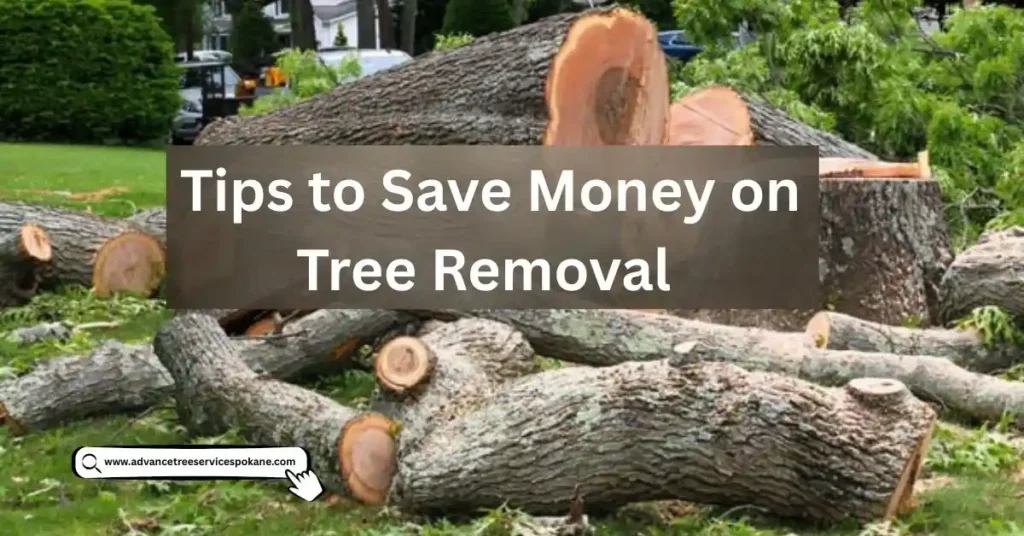
Even if free removal isn’t available, you can reduce costs with smart planning. This includes getting multiple quotes, scheduling strategically, and finding ways to use the wood effectively.
Get Multiple Quotes
Compare multiple companies to find the best deal for your situation. Different companies may offer varying prices and services.
Schedule Removal Strategically
Removing trees when timber value is high increases the chance of discounted or free services. Timing can affect both cost and availability.
Consider Firewood or Timber Sales
Selling the removed wood can offset labor or service costs. Firewood or timber can often cover a significant portion of the expense.
Community Sharing or Exchange Options
Some neighborhoods have local groups for sharing or selling firewood and lumber at low cost. This is a cost-effective way to manage tree removal by-products.
Safety Considerations
Tree removal can be dangerous. Safety must always be a top priority, whether you hire a company or attempt a DIY approach.
Hazards Near Power Lines or Structures
Trees near power lines, homes, or fences pose serious risks. Always assess obstacles and never attempt high-risk cuts without professional help.
Legal Requirements and Permits
Check Spokane’s local laws for permits and restrictions before removing a tree. Failing to comply can lead to fines or legal issues.
Hiring Certified Arborists
Certified arborists ensure safe, efficient tree removal. For large or hazardous trees, professional expertise is worth the cost.
Environmental and Community Considerations
Responsible tree removal goes beyond cost and safety. Consider environmental impacts and community benefits.
Sustainable Tree Removal Practices
Remove trees in a way that minimizes disruption to surrounding plants and habitats. Preserve trees that support local wildlife.
Recycling and Using Wood Effectively
Use removed wood for firewood, mulch, or lumber to prevent waste and promote sustainability.
Impact on Local Ecosystem
Consider how tree removal affects local vegetation, soil stability, and wildlife. Smart planning protects your property and the community.
Cost Comparison: DIY vs Professional Tree Removal
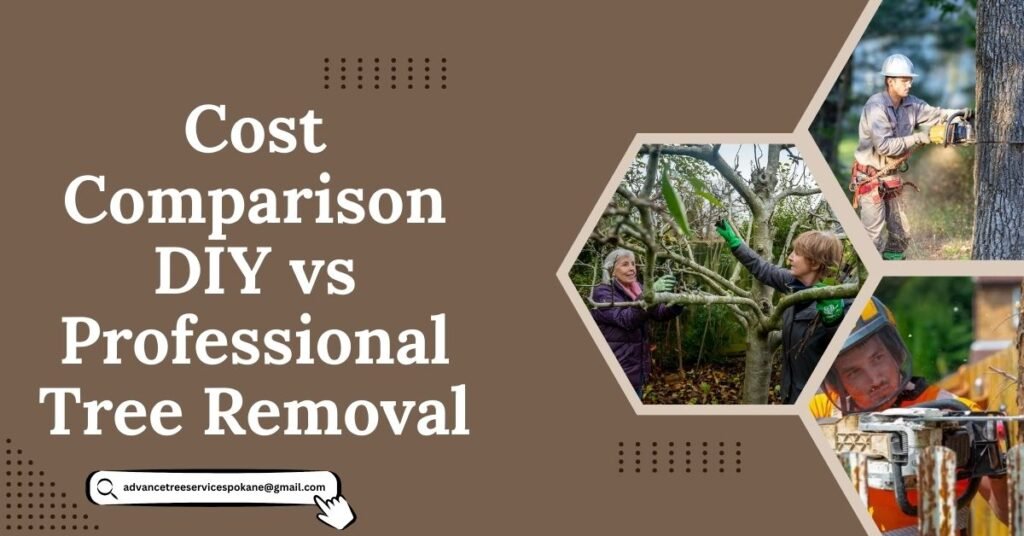
Choosing between DIY and professional tree removal depends on the tree’s size, type, location, and your experience. DIY may save money upfront, but it requires more time, effort, and carries higher risks. Professionals bring experience, proper tools, and safety measures that make the process faster and safer.
| Aspect | DIY Removal | Professional Removal |
| Equipment and Tool Costs | Requires chainsaws, protective gear, ropes, and sometimes stump grinders. Buying or renting these can be expensive. | Professionals already have the right tools, ensuring safe and efficient removal. |
| Time and Labor Involved | Physically demanding and time-consuming, especially for large trees. | Teams with proper equipment complete the job faster and with less effort. |
| Potential Hidden Costs | Property damage, injuries, fines, or disposal fees can add up. | Professionals handle these tasks, providing safety and peace of mind. |
Conclusion
Lumber companies may remove trees for free, but only when the tree has value, is accessible, and fits company policies. If free removal isn’t available, options include professional services, selling timber yourself, municipal programs, or safe DIY removal. Always prioritize safety, follow local regulations, and plan carefully to make the best decision for your property and budget.
FAQs
Can Any Tree Be Removed for Free?
No, only trees with value, proper size, and good accessibility may qualify for free removal.
How Do Companies Decide Which Trees to Cut?
They assess the tree’s species, size, health, location, and market demand for timber.
Selling Wood Yourself vs. Letting Company Take It
Selling the wood yourself can help offset costs, but companies may handle removal faster and more safely.
Are There Hidden Costs?
Yes. Even free removal may involve stump grinding, debris hauling, or cleanup fees.
How Long Does Free Removal Usually Take?
Timing varies based on company schedule, tree size, location, and availability.