
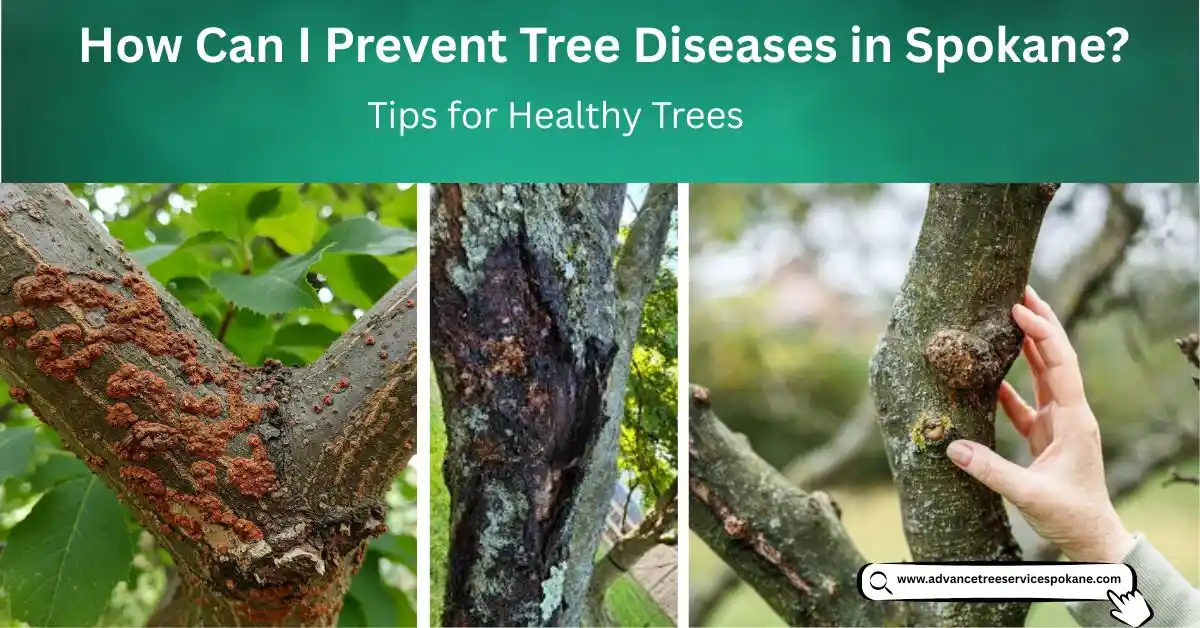
How Can I Prevent Tree Diseases in Spokane? A Homeowner’s Guide
Tree diseases can be prevented with simple care. Healthy soil, proper watering, and regular pruning keep trees strong. Early inspection for pests, leaf discoloration, or bark damage helps detect problems fast. For large trees or severe issues, hiring a certified arborist ensures long-term tree health.
Can Tree Diseases Be Prevented in Spokane?
Yes, tree diseases in Spokane can be prevented. Healthy soil, Tree pruning, and watering techniques are key. Detect early signs like leaf discoloration or bark damage. Following seasonal tree care tips helps protect trees from disease.
Why Tree Diseases Are Common in Climate

Spokane weather stresses trees throughout the year. Winter snow and summer heat increase disease risk. Trees struggle with strong wind exposure and drought. Proper tree care adapts trees to local conditions.
| Climate Factor | Impact on Trees | Entities Involved | Major Spokane Area Cities |
| Winter snow & ice | Breaks branches, stresses trees | Snow, trees, branches, tree health | Spokane, Spokane Valley, Millwood |
| Summer heat & drought | Weakens roots and reduces growth | Summer, soil quality, watering techniques, tree health | Spokane, Airway Heights, Fairfield |
| Wind exposure | Damages branches and spreads pests | Wind exposure, trees, pests, tree diseases | Spokane, Liberty Lake, Greenacres |
| Temperature fluctuations | Stresses trees, increases infection risk | Trees, tree diseases, fungal infections, bacterial infections | Spokane, Cheney, Medical Lake |
| Poor soil drainage | Weak roots and encourages fungal infections | Soil quality, root health, fungal infections, nutrient balance | Spokane, Spokane Valley, Nine Mile Falls |
What Causes Tree Diseases in Spokane?
Tree diseases in Spokane are caused by fungal infections, bacterial infections, and viral infections. Pests like aphids or scale insects make problems worse. Weak soil and poor irrigation increase the risk of disease in trees.
Fungal Infections, Bacterial Infections, and Viral Infections
Fungal infections include leaf spots and root health problems. Bacterial infections cause branch dieback. Viral infections slow growth and weaken tree structure.
Insect Pests That Spread Tree Diseases
Borers, beetles, and scale insects transmit pathogens. Aphids suck sap and weaken leaves. Early detection limits disease spread effectively.
Poor Soil Conditions and Drainage Issues
Compacted soil blocks root health. Waterlogging encourages fungal infections. Nutrient balance reduces tree canopy density and overall tree health.
How to Prevent Tree Diseases in Spokane
Preventing tree diseases starts with proper tree care. Healthy trees resist infections naturally. Use certified arborist for complex treatments.
| Prevention Step | Action | Entities Involved | Major Spokane Area Cities |
| 1. Choose the right trees | Plant maple trees, pine trees, spruce trees, fir trees, oak trees, ash trees | Tree species, disease-resistant trees, trees | Spokane, Spokane Valley, Liberty Lake |
| 2. Proper watering | Use correct watering techniques; avoid wetting leaves often | Watering techniques, soil quality, tree health | Spokane, Millwood, Cheney |
| 3. Regular pruning | Prune dead branches; trim crowded limbs | Tree pruning, tree trimming, healthy canopy, branches | Spokane, Airway Heights, Greenacres |
| 4. Improve soil health | Add mulch, compost; maintain nutrient balance | Mulch, compost, nutrient balance, soil quality | Spokane, Fairfield, Medical Lake |
| 5. Prevent pests | Inspect trees, control insects before infection spreads | Pests, insecticides, aphids, borers, scale insects | Spokane, Nine Mile Falls, Liberty Lake |
| 6. Seasonal care | Follow seasonal tree care schedule for pruning and watering | Seasonal tree care, tree maintenance schedule, tree health | Spokane, Spokane Valley, Millwood |
| 7. Professional support | Hire certified arborist for inspections or complex care | Professional arborist, tree consultation, tree service Spokane, tree health assessment | Spokane, Greenacres, Cheney |
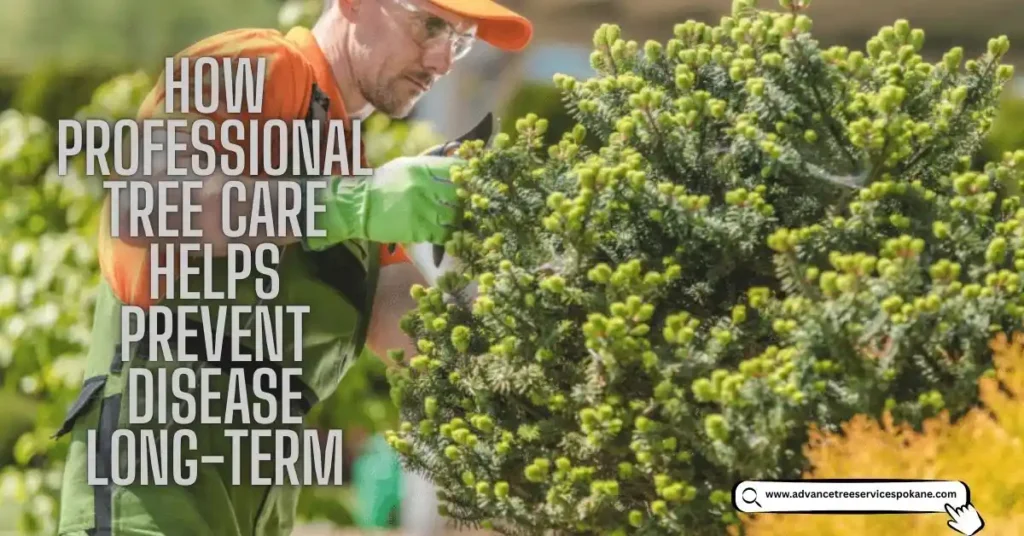
How Professional Tree Care Helps Prevent Disease Long-Term
Step 1:
Certified arborist inspects trees for early signs.
Step 2:
Seasonal pruning removes dead or infected branches.
Step 3:
Proper watering techniques and soil quality improvements strengthen trees.
Step 4:
Fertilizers and mulch maintain nutrient balance and healthy canopy.
Step 5:
Pest control prevents spread of fungal infections and insects.
Step 6:
Ongoing tree care plan ensures long-term tree health.
Seasonal Tree Care Tips to Prevent Disease in Spokane
Seasonal tree service Spokane helps prevent disease in Spokane. Proper tree maintenance schedule keeps trees healthy year-round. Regular pruning, watering techniques, and soil quality checks reduce pests and infections. Following local tree care tips protects trees every season.
Spring and Summer Tree Disease Prevention
Remove dead leaves and debris. Inspect for pests early. Water trees deeply in dry periods.
Fall and Winter Tree Care to Reduce Disease Risk
Prune damaged branches before snow. Protect roots with mulch layers. Monitor for ice or wind damage.
Early Signs of Tree Disease Homeowners Should Not Ignore
Spotting early disease detection protects tree health in Spokane. Watch leaves, bark, and branch growth for signs of tree diseases. Quick action against pests and fungal infections keeps trees strong and safe.
Visible Changes in Leaves, Bark, or Branches
Discolored leaves indicate fungal infections. Cracked bark shows stress. Dead branches signal severe problems.
Structural Weakness and Declining Growth
Slow growth shows nutrient balance issues. Leaning trees suggest root health damage. Weak tree canopy increases infection risk.
When to Call a Professional Tree Service in Spokane
Some problems need a professional arborist or tree service Spokane. Certified experts detect hidden tree diseases and pests early. Timely help protects property safety and maintains tree health for years.
Situations Where DIY Prevention Is Not Enough
Large branch damage requires professionals. Severe fungal infections need treatment. Tree removal may prevent disease spread.
Benefits of Professional Tree Health Inspections
Professionals spot early signs fast. They suggest pest control or tree pruning service. Inspections maintain healthy canopy long-term.
Conclusion
Preventing tree diseases in Spokane starts with healthy soil, proper watering techniques, and regular pruning. Early detection of pests, leaf discoloration, or bark damage protects trees fast. Following seasonal tree care and using a certified arborist ensures long-term tree health and a strong healthy canopy.
FAQs
How can tree disease be prevented?
Use healthy soil, pruning, watering techniques. Inspect trees for pests frequently.
What trees grow in Spokane?
Maple trees, pine trees, spruce trees, fir trees, oak trees, ash trees. Choose disease-resistant trees for best results.
What is the best low maintenance tree?
Disease-resistant maple trees or pine trees grow well. Low pruning and watering reduce stress.
H3: Are tree diseases contagious to nearby trees?
Yes, pests and fungi spread disease. Early detection and treatment limit spread.
Does Spokane require permits for treating or removing diseased trees?
Yes, Spokane County permits may be needed. Check local regulations before tree removal or pruning.