
What Is the 5/15/90 Rule for Tree Felling? | Complete Spokane Safety Guide
The 5/15/90 rule for tree felling is a safety guideline that controls how a tree falls, ensures proper cutting angles, and maintains a 90-degree escape route to prevent accidents. It is used by professional arborists to guide tree direction and reduce unexpected movement. In areas like Spokane, where large and storm-damaged trees are common, this rule is essential for safe and precise tree removal while protecting property, power lines, and people.
What Is the 5/15/90 Rule for Tree Felling?
The 5/15/90 rule is a tree felling safety guideline used in tree service Spokane to control fall direction and cutting angles while ensuring a safe escape, helping improve safety and precision in areas like Spokane.
Simple Definition of the 5/15/90 Rul
It refers to maintaining hinge wood, using a 15-degree notch angle, and planning a 90-degree escape route to control the tree’s fall and reduce unexpected movement.
Origin of the 5/15/90 Tree Felling Safety Rule
The rule comes from professional forestry practices and is widely used in modern arborist work to improve safety and standardize cutting techniques.
Why This Rule Is Important for Tree Cutting Safety
It helps prevent accidents, protects nearby structures and power lines, and ensures controlled, accurate tree removal while allowing the cutter to stay safe.
Breaking Down the 5/15/90 Rule Step by Step
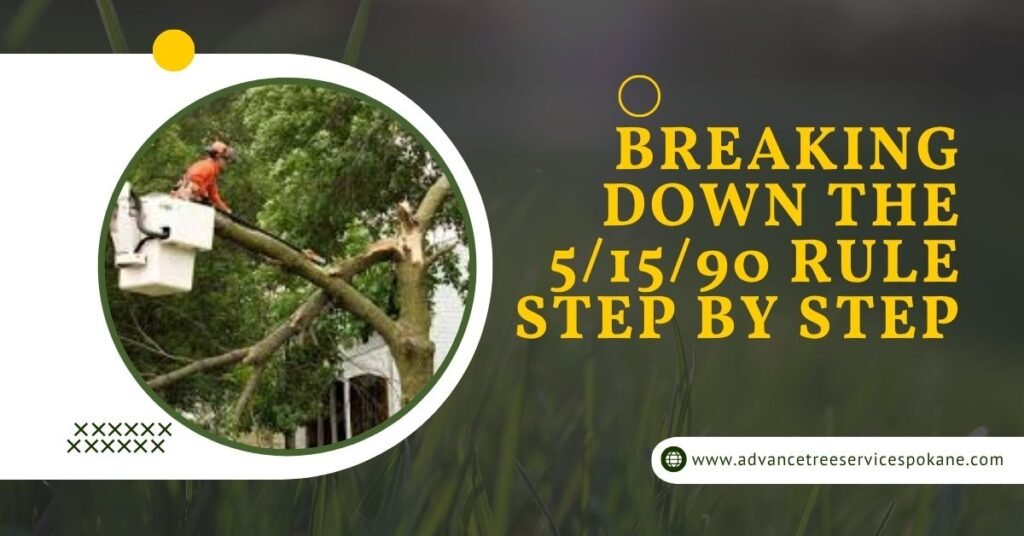
The 5/15/90 rule is a tree felling safety method used to ensure controlled cutting, proper fall direction, and safe execution, especially when handling large or storm-damaged trees in areas like Spokane.
What Does “5” Mean in Tree Felling?
The “5” refers to maintaining proper hinge wood, which helps guide the tree’s fall and prevents sudden or uncontrolled movement during cutting.
What Does “15” Represent in Tree Cutting?
The “15” represents the notch angle, which helps direct the tree safely and improves accuracy during the felling process.
What Does “90” Mean for Escape Route Planning?
The “90” refers to creating a safe escape route at a right angle from the fall direction, allowing quick and safe movement away from danger.
How These Three Numbers Work Together
Together, these steps ensure a controlled fall, proper direction, and safe exit, making tree felling more predictable and secure.
How to Apply the 5/15/90 Rule Safely
Applying the 5/15/90 rule the right way is important to ensure safe and controlled tree felling. It helps reduce accidents and keeps both the worker and surroundings protected, especially in places like Spokane where trees can be large and unpredictable.
Preparing the Work Area Before Cutting
Before you begin, make sure the area is clear of people, pets, vehicles, and any obstacles. Check the tree for signs of weakness, cracks, or storm damage. A clean and safe work area reduces risks and gives you better control during the cutting process.
Identifying the Correct Tree Fall Direction
Carefully observe the tree’s natural lean, weight, and surrounding environment, including wind direction. This helps you decide the safest and most controlled direction for the tree to fall, reducing the chances of unexpected movement.
Creating a Safe Escape Route
Always plan a clear escape path at a 90-degree angle from the direction of the fall. Make sure the path is free from obstacles so you can quickly and safely move away once the tree starts to fall.
Positioning Yourself During Tree Felling
Stand in a stable and balanced position, away from the direct fall line. Maintain a safe distance and stay alert at all times. Proper positioning ensures safer execution during tree removal Spokane and helps avoid unexpected hazards.
Essential Tree Felling Techniques Explained
Proper tree felling techniques are important to ensure safe, controlled, and accurate cutting while reducing the risk of accidents and damage.
| Technique | Explanation | Purpose | Key Safety Point |
| Notch Cut | A notch cut is made on the side of the tree in the direction you want it to fall. It usually consists of two cuts that form an opening. | Helps guide the tree in the correct fall direction and gives control over the initial movement. | Ensure the notch is cut at the correct angle and depth for better control. |
| Back Cut | The back cut is made on the opposite side of the notch, slightly above the base of the notch cut. | Releases the tree and allows it to begin falling in a controlled way. | Never cut completely through—leave enough hinge wood to guide the fall. |
| Hinge Wood Control | Hinge wood is the uncut wood between the notch and back cut that controls the tree’s movement. | Acts as a natural hinge to direct the tree’s fall safely and predictably. | Maintain proper thickness of hinge wood to avoid loss of control. |
| Controlling Fall Direction | By combining the notch cut, back cut, and hinge wood, you can guide the tree to fall in a safe and planned direction. | Ensures the tree falls away from people, structures, and hazards. | Always plan the fall direction before making any cuts. |
Get Professional Tree Service in Spokane Today
Getting professional help ensures safe, efficient, and controlled tree work, especially in a place like Spokane where trees can be large and unpredictable. Expert support helps prevent damage to property, reduces risks, and ensures the job is done correctly the first time.
Free Estimates for Tree Removal
You can request a free estimate to understand the scope and cost of the work before starting. This helps you plan better and make an informed decision without any pressure.
Emergency Tree Cutting Services Available
If a tree falls due to storms or becomes hazardous, emergency services are available to quickly handle the situation and prevent further damage or danger.
Contact Trusted Local Arborists Near You
Reach out to experienced arborists who understand local conditions and safety standards. They have the right tools and knowledge to handle tree cutting and removal safely and efficiently, including stump removal Spokane and full tree care services.
Common Tree Felling Mistakes to Avoid
Avoiding common mistakes is very important for safe and controlled tree cutting. Small errors can lead to serious accidents, property damage, or injuries, especially in areas like Spokane where trees can be large and unpredictable.
Cutting Without a Proper Escape Plan
Failing to plan a clear escape route can put you in danger if the tree falls unexpectedly. Always make sure you have a safe path to move away before making any cuts.
Ignoring Tree Lean and Weight Distribution
Not checking the tree’s natural lean and weight can cause it to fall in the wrong direction. Proper assessment helps you control the fall and avoid unexpected movement.
Poor Chainsaw Handling Techniques
Incorrect use of a chainsaw can lead to accidents or uneven cuts. Always maintain control, use proper grip, and follow safe operating techniques.
Underestimating Tree Size and Risk
Big or damaged trees require careful planning and experience. Underestimating the risk can result in serious injury or damage, so always approach with caution and preparation.
Safety Risks of Tree Felling
Tree felling can be dangerous if proper precautions are not taken. Understanding the risks helps you stay alert and avoid serious accidents, especially in areas like Spokane where trees may be large or storm-damaged.
Falling Tree Accidents and Injuries
One of the biggest risks is being struck by a falling tree or branches. This can cause severe injuries, so maintaining distance and following safety steps is essential.
Property Damage Risks
If a tree falls in the wrong direction, it can damage homes, vehicles, fences, or other structures. Proper planning helps reduce this risk and ensures controlled cutting.
Electrical Hazards Near Power Lines
Trees near power lines pose a serious danger. Contact with power lines can lead to electric shock or outages, making it important to keep a safe distance and call professionals.
Storm-Damaged Trees and Hidden Dangers
Storm-damaged trees can be unstable and unpredictable. Hidden cracks or weak branches may fall unexpectedly, increasing the risk during cutting. Always inspect carefully before starting.
Tree Felling Safety Standards and Guidelines
Following proper safety standards helps ensure controlled, risk-free tree cutting and protects both workers and surroundings from accidents.
| Topic | Explanation | Key Focus |
| Overview of OSHA Tree Cutting Safety Rules | Safety guidelines set by OSHA that outline proper procedures for tree cutting and hazard prevention. | Worker safety, hazard control, and regulated practices |
| Professional Arborist Safety Practices | Techniques and protocols followed by trained arborists to handle trees safely and efficiently. | Skill, planning, and controlled cutting methods |
| Required Safety Gear for Tree Removal | Essential protective equipment such as helmets, gloves, goggles, and chainsaw protection gear. | Personal protection and injury prevention |
DIY Tree Cutting vs Professional Tree Service in Spokane
Choosing between DIY tree cutting and hiring experts depends on the situation, risk level, and experience. In a place like Spokane, where trees can be large and weather conditions unpredictable, safety should always come first.
| Topic | Explanation | Key Focus |
| When DIY Tree Cutting Is Risky | DIY cutting becomes risky with large trees, unstable branches, or trees near structures and power lines. | High risk, lack of experience, and safety concerns |
| Benefits of Hiring a Professional Tree Service | Professionals ensure safe, controlled, and efficient tree removal with proper planning. | Safety, accuracy, and peace of mind |
| Equipment and Expertise Professionals Use | Experts use advanced tools like chainsaws, ropes, cranes, and safety gear along with trained techniques. | Specialized equipment and skilled handling |
| Cost vs Safety Comparison | DIY may seem cheaper, but professional service reduces risks and potential damage costs in the long run. | Safety over short-term savings |
When You Should Call a Tree Service Near You
Knowing when to call professionals is important for safety and to prevent damage, especially in areas like Spokane where trees can become hazardous due to weather or size.
Large or Dangerous Trees
Large trees or those showing signs of decay, leaning, or structural weakness should be handled carefully. Professionals have the tools and experience to remove them safely without causing accidents.
Trees Close to Homes or Structures
Trees near houses, garages, or fences pose a risk if they fall or lose branches. Expert handling ensures controlled cutting to protect your property and nearby structures.
Trees After Storm Damage
Storms can weaken trees, leaving hidden cracks or unstable branches. These trees can fall unexpectedly, so it’s best to have them inspected and removed by professionals.
Urgent or Emergency Situations
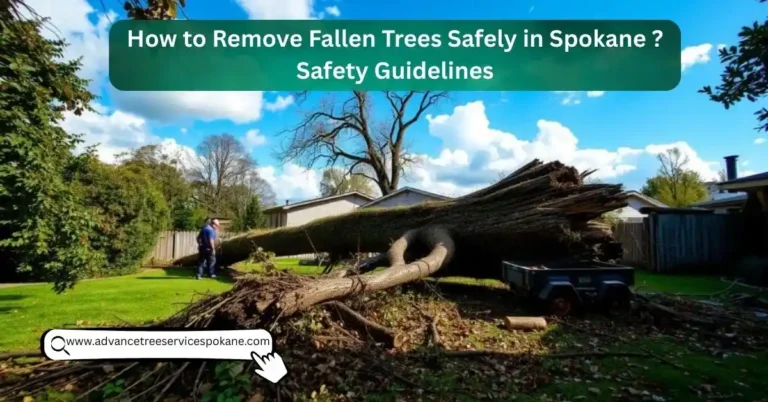
If a tree has already fallen or is blocking roads, driveways, or posing immediate danger, emergency services should be contacted right away to handle the situation quickly and safely.
Conclusion
The 5/15/90 rule is an important safety guideline that helps ensure controlled and secure tree felling. Whether you are a beginner or an experienced cutter, following proper techniques, using the right tools, and prioritizing safety can prevent accidents and damage. For complex, large, or hazardous trees, it is always best to rely on professional help to ensure safe and efficient tree removal.
H2: FAQs
What is the 5/15/90 rule in tree felling?
The 5/15/90 rule is a simple safety guideline used during tree cutting to control the fall direction, maintain proper cutting angles, and ensure a safe escape path for the worker.
Is the 5/15/90 rule used by professionals?
Yes, professional arborists follow this rule as part of standard safety practices to ensure accurate, controlled, and safe tree removal.
Can beginners follow this rule safely?
Beginners can learn the basics, but tree felling is risky. It’s recommended to practice under guidance or hire experts for complex or large trees.
What tools are needed for safe tree cutting?
Essential tools include a chainsaw, helmet, gloves, eye protection, safety boots, wedges, and ropes to ensure better control and protection.
Do I need permission to remove a tree in Spokane?
In some cases, yes. Local regulations in Spokane may require a permit before removing certain trees, especially large or protected ones.