
A dead tree becomes a safety and liability risk as it loses structural strength over time, especially in Spokane, where strong winds, snow, and seasonal changes can cause trees to fail without warning. This can lead to property damage, personal injury, and costly repairs. As the tree weakens, its branches become brittle and more likely to break or fall. Dead trees can also attract pests and spread decay to nearby healthy trees. Removing a dead tree early helps reduce these risks and keeps your property safe.
What Is a Dead Tree?
A dead tree is a tree that has lost its ability to grow, repair itself, and function like a healthy living tree. It shows clear signs of decay and does not respond to seasonal changes. Understanding this is important when evaluating risks and deciding whether you need professional help from tree service Spokane experts.
Difference Between Dead and Dormant Trees
A dormant tree may look inactive, especially in colder months, but it is still alive and will grow again when the season changes. Recognizing the difference helps avoid unnecessary removal and ensures proper care.
| Feature | Dead Tree | Dormant Tree |
| Leaves | No leaves or very brittle | Leaves return in season |
| Branches | Dry, snap easily | Flexible |
| Bark | Peeling or missing | Intact |
| Growth | No growth | Seasonal growth expected |
How to Identify a Dead Tree
Identifying a dead tree early helps reduce safety risks and protect your property. If you are unsure, a professional can inspect and confirm the condition of the tree.
Look for:
- No leaf growth during growing season
- Dry, brittle branches
- Cracks in the trunk
- Fungus or mushrooms near the base
- Bark falling off in large sections
What Happens If You Don’t Remove a Dead Tree in spokane
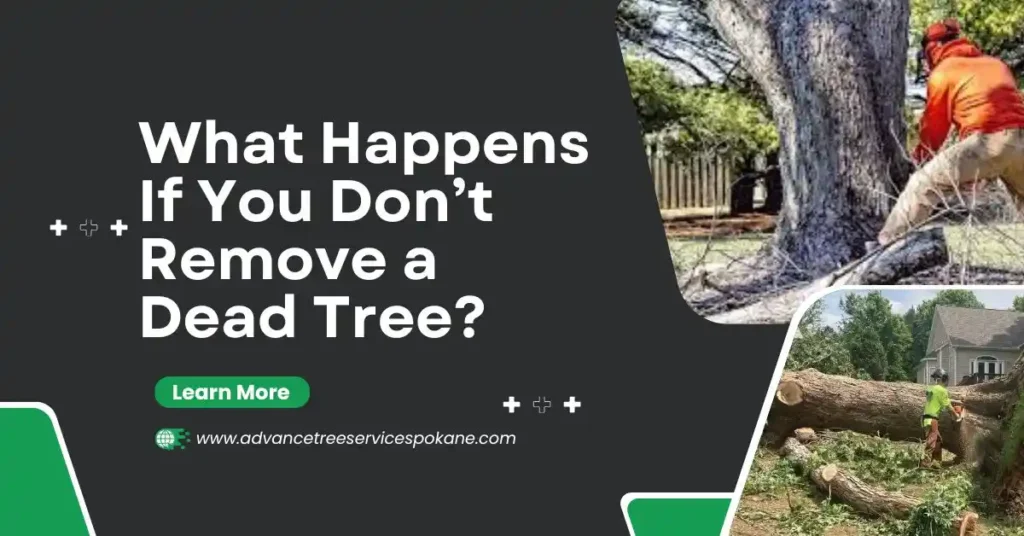
A dead tree may look stable at first, but over time it becomes weaker and more unpredictable. Ignoring it can lead to safety risks, property damage, and costly issues. In such cases, contacting a professional tree service helps assess the situation and take the right action before it becomes dangerous.
tree removal It Can Fall Without Warning
A dead tree loses structural strength. The wood dries out and weakens from the inside. Even without strong storms, it can fall unexpectedly. In open areas like near High Bridge Park or exposed streets, wind can quickly push a weakened tree over.
tree service Internal Decay Continues
Decay spreads inside the tree even when the outside looks stable. You may not notice the internal damage until it becomes serious. A tree service Spokane expert can inspect and identify hidden risks before they worsen.
professional tree removal Risk Increases Over Time
The longer a dead tree is left standing, the weaker it becomes. Small cracks turn into large fractures, and branches begin to fall before the trunk becomes unstable. Professional tree removal helps prevent these risks and keeps your property safe.
Risks and Hazards of Dead Trees spokane
Dead trees can create serious risks for your property and the people around you if they are left untreated. Over time, they become unstable and unpredictable, which can lead to costly damage and safety hazards.
Property Damage
A falling tree can:
- Break roofs
- Damage fences
- Destroy vehicles
- Impact nearby structures
Repair costs often exceed the cost of early removal. A dead tree may seem harmless, but once it fails, the damage can be sudden and severe, especially during strong winds or heavy weather conditions.
Risk to People and Pets
A falling branch or trunk can cause serious injury. Children playing in the yard or pets exploring the area are especially at risk. These accidents often happen without warning and can lead to severe consequences.
Falling Branch Hazards
Even before the entire tree falls, branches can break off and drop without warning. These falling limbs can injure people or damage property, making early action essential to prevent unexpected incidents.
Pest, Disease, and Decay Issues in spokane
Dead trees often become a breeding ground for pests and diseases, which can spread quickly if not handled in time. Proper care and timely action, including services like tree stump removal, pruning, and tree trimming, help prevent further damage to your landscape and nearby structures.
Insects Attracted to Dead Wood
Dead trees attract insects such as termites, carpenter ants, and beetles. These pests may move from the tree into nearby structures, including your home.
Ignoring the issue can allow infestations to spread, making tree stump removal an important step in controlling pest activity.
Rot and Internal Breakdown
Fungi grow inside dead wood and accelerate decay. This weakens the structure further and makes the tree unsafe over time.
Regular tree pruning can help identify weak or decaying areas early and reduce the spread of rot within the tree.
Spread to Nearby Trees
If a dead tree carries disease, it can spread to healthy trees in your yard or nearby properties.
Timely tree trimming helps limit the spread of infections and keeps surrounding trees healthy and strong.
How Weather Makes Dead Trees More Dangerous
Weather plays a major role in turning a weak or dead tree into a serious hazard. In Spokane, changing conditions throughout the year can quickly worsen the condition of unstable trees, increasing the need for tree service Spokane to assess and manage the risk.
Wind Impact
Strong winds in Spokane can push weak trees past their breaking point.
Over time, even a slight imbalance can cause the tree to tilt or fall. In open areas, wind pressure becomes even more dangerous and can lead to sudden failure.
Snow and Ice
Heavy snow or ice adds extra weight to already weakened branches.
This added pressure can cause limbs to snap or the entire tree to collapse. In colder months, the risk increases significantly, especially for trees that are already damaged.
Seasonal Changes
Freeze-thaw cycles cause wood to expand and contract, which makes cracks grow larger over time.These changes weaken the internal structure of the tree, making it more unstable and increasing the chances of unexpected breakage.
How Dead Trees Affect Property in spokane
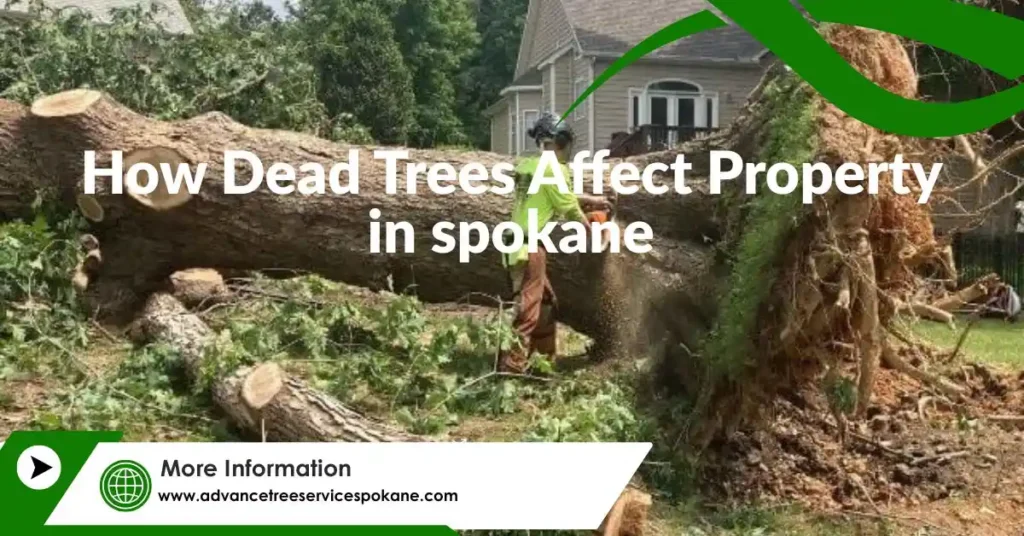
Dead trees can have a direct impact on your property’s safety, appearance, and overall value. What starts as a small issue can turn into expensive damage and long-term maintenance concerns, especially if you delay professional help from a tree service Spokane provider.
Property Damage and Costs
Damage from a falling tree can include:
- Structural repairs
- Roof replacement
- Landscape damage
A single incident can lead to major expenses that often exceed the cost of timely tree removal Spokane services. Acting early helps avoid sudden financial loss.
Curb Appeal and Appearance
A dead tree makes a property look neglected and poorly maintained.This can affect how neighbors, visitors, and potential buyers perceive your home. A clean and healthy yard improves overall impression and adds value.
Long-Term Maintenance
A dead tree continues to lose branches over time.This creates ongoing cleanup work and increases maintenance needs. Regular care through tree trimming and pruning helps reduce hazards and keeps the area manageable.
Property Value Impact
Homes with visible hazards or dead trees often lose market value or become harder to sell.Buyers may see it as an added risk or future expense, which can reduce offers and delay sales. Keeping your landscape safe and maintained helps protect your property’s value.
Safety, Legal, and Insurance Concerns
Dead trees are not just a safety issue they can also lead to legal and insurance complications if ignored. Property owners are expected to maintain safe conditions, and failing to address a hazardous tree can create serious consequences.
Personal Injury Risk
If a tree falls and injures someone, the property owner may be held responsible.Accidents can happen without warning, and the impact can be severe. This is why regular inspection and timely action are important.
Property Owner Responsibility
If a tree is clearly dead and left untreated, liability can fall on the homeowner.
In many cases, ignoring visible risks can be considered negligence, which may lead to legal issues or claims from affected parties.
Insurance Issues
Some insurance policies may not cover damage caused by neglect.Coverage depends on the situation and proper documentation. If a tree was known to be dangerous and not addressed, claims may be denied.
Economic Impact of Ignoring a Dead Tree in spokane
Ignoring a dead tree may seem like a small decision, but over time it can lead to significant financial loss. Early action is always more cost-effective, especially when compared to emergency situations or property damage that could have been prevented.
Delayed Costs
Small issues become expensive over time. Early removal is usually less costly than emergency removal.As the condition of the tree worsens, the complexity and cost of handling it increase, making delayed action a financial burden.
Repair vs Prevention
| Option | Cost Impact |
| Early removal | Lower cost |
| Emergency removal | Higher cost |
| Property damage repair | Very high cost |
Choosing prevention helps avoid unexpected expenses and reduces the risk of large-scale damage.
Long-Term Financial Risk
Ignoring a dead tree can lead to repeated expenses and unexpected repairs.Over time, ongoing risks like falling branches, structural damage, and cleanup costs can add up, making it a continuous financial concern for property owners.
Warning Signs of a Dangerous Tree
A tree does not become dangerous overnight. It shows warning signs as it weakens over time. Spotting these signs early helps you take action before the situation becomes risky or costly. This is where timely attention can prevent the need for major tree service Spokane intervention later.
Cracks in the Trunk
Large vertical cracks indicate structural weakness.These cracks can grow deeper over time and reduce the tree’s stability, making it more likely to split or fall.
Dry or Falling Branches
Branches that break easily are a clear sign of decay.If branches fall frequently without strong wind, it means the tree’s internal strength is already compromised.
No Leaves or Weak Growth
If the tree does not produce leaves during the growing season, it may be dead. Healthy trees show consistent seasonal growth, so a lack of leaves is a strong warning sign of decline.
Fungus or Rot
Mushrooms growing near the base indicate internal decay. Fungal growth usually means the inside of the tree is already breaking down, even if the outside looks normal.
When Should You Remove a Dead Tree? In spokane
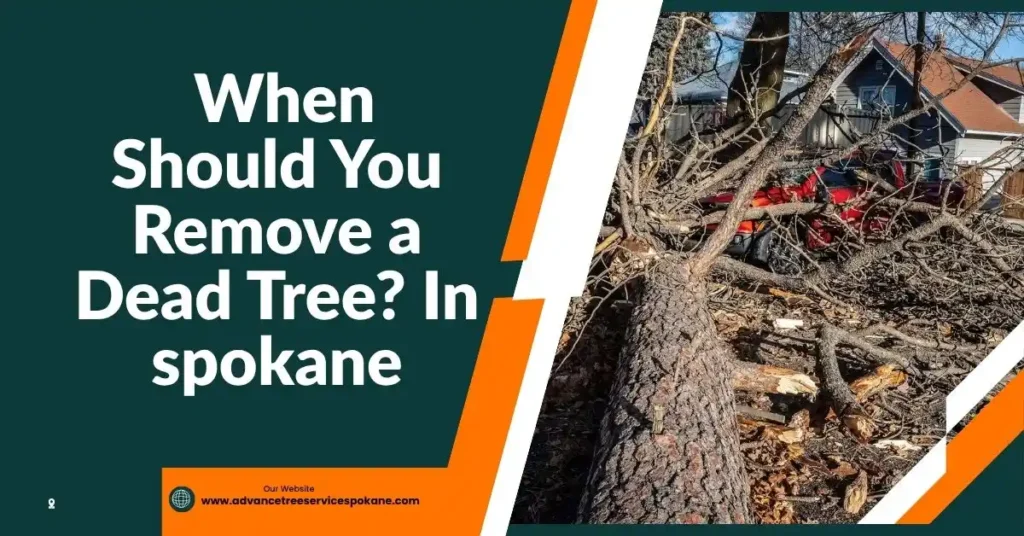
A dead tree should never be ignored once warning signs appear. Acting at the right time reduces risk and prevents costly damage. Knowing when to take action can help you avoid emergencies and protect your property.
Early Signs of Instability
Act before the tree becomes a hazard. If you notice leaning, weak branches, or reduced strength, it’s a sign the tree may soon fail. Early action can prevent sudden accidents and property damage.
Visible Damage or Decay
If the damage is already visible, delaying removal increases the risk. Cracks, rot, and falling branches show that the tree is no longer stable and may collapse without warning.
Safety Concerns
If the tree is near a house, driveway, or power lines, removal becomes urgent. In such cases, even minor failure can lead to serious damage or safety hazards, making immediate action necessary.
Professional Tree Removal and Care in spokane
Professional care ensures trees are handled safely and correctly. Trained experts follow a structured process to reduce risks and protect your property. This is where certified help becomes essential for proper tree management.
Role of Arborists
Certified arborists assess tree health and determine safe removal methods. They examine the structure, identify risks, and recommend the best solution for safe and effective removal.
Tree Removal Process
- Inspection
- Planning
- Sectional cutting
- Safe removal
- Cleanup
This step-by-step approach ensures the tree is removed carefully without causing damage to nearby structures or surroundings.
Safety Measures
Professionals use proper equipment and follow safety protocols to prevent accidents. They control every stage of the process, reducing risks to people, property, and nearby areas while ensuring a clean and safe removal.
Conclusion
A dead tree is not just a landscape issue but a serious safety and financial risk that increases over time, leading to property damage, injury risks, pest problems, and higher costs if ignored, which is why early awareness, regular inspection, and timely action are essential to protect your property and ensure long-term safety.Taking action at the right time helps you avoid emergencies, reduce expenses, and keep your surroundings safe and well-maintained.
Frequently Asked Questions (FAQs)
What happens if a dead tree is left standing?
It becomes weaker over time and may fall unexpectedly, causing damage or injury.
How can I tell if a tree is dead?
Look for dry branches, no leaves, trunk cracks, and signs of decay or fungus.
Are dead trees dangerous?
Yes, they can fall without warning and pose risks to property and safety.
Can pests live in dead trees?
Yes, insects like termites and ants often inhabit dead wood.
Do dead trees affect property value?
Yes, they can reduce curb appeal and raise safety concerns for buyers.
When should a dead tree be removed?
It should be removed as soon as it is identified as unstable or hazardous.