
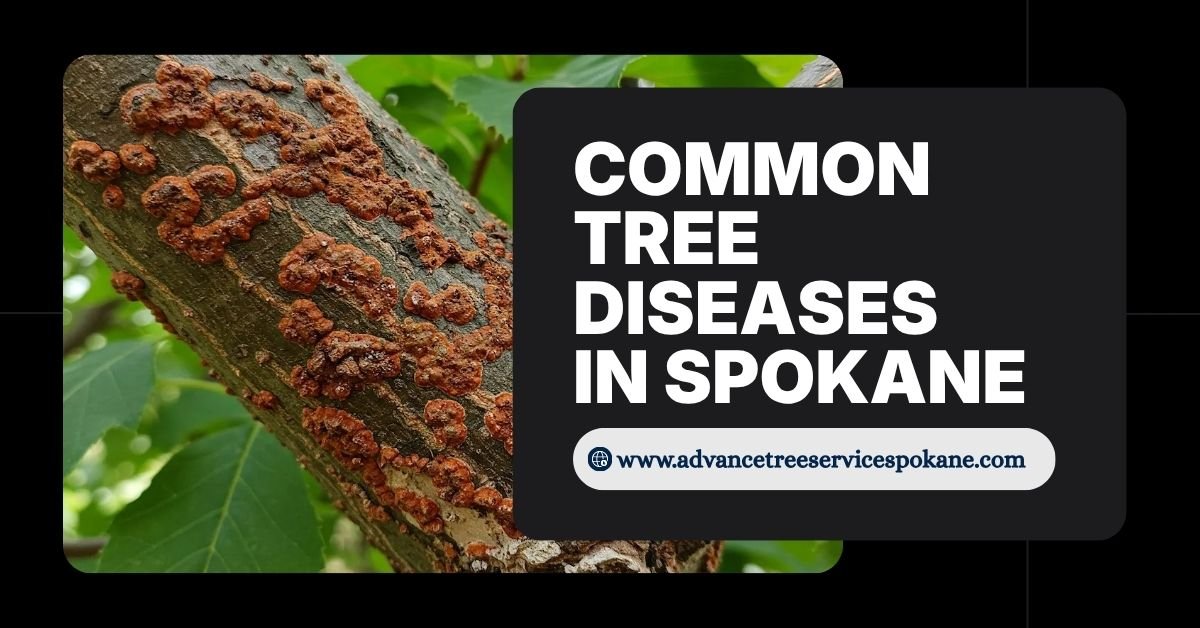
Common Tree Diseases in Spokane and How to Spot Them Early
Spokane’s climate creates constant stress on trees, with cold winters, dry summers, and shifting moisture levels that often lead to disease if warning signs are ignored. Many properties across Spokane, including areas near Riverfront Park, South Hill, and Manito Park, experience these tree health challenges due to seasonal changes and soil conditions. Understanding early symptoms and local risk factors helps protect your landscape, prevent costly damage, and maintain long-term tree health.
Understanding Tree Diseases in Spokane
Tree diseases in Spokane usually develop when trees are under stress. Cold winters, dry summers, and changing soil moisture weaken their health, especially in areas like South Hill and near Manito Park. A reliable tree service Spokane can help detect problems early and prevent long-term damage.
Why Tree Diseases Happen
Tree diseases do not appear randomly. They develop due to environmental stress and weakened tree systems. In Spokane, a professional tree service Spokane can help identify common causes, including:
- Poor soil drainage after snowmelt or rain
- Extended dry periods during summer
- Root damage from nearby construction or landscaping
- Nutrient deficiency in local soil conditions
- Sudden temperature changes affecting tree stability
When these factors persist, trees lose their natural resistance. A weakened tree becomes more vulnerable to infection and decay.
How Diseases Spread
Tree diseases spread quickly when conditions are right. Spokane’s mix of moisture and wind allows infections to travel from one tree to another.
Key ways diseases spread:
- Wind carrying fungal spores between trees
- Water runoff spreading infection through soil and roots
- Insects transferring bacteria or fungi from tree to tree
- Contact between infected and healthy branches
This is especially common in dense tree areas like parks and residential streets. Without proper monitoring and care from a professional tree service Spokane, a single infected tree can affect multiple trees nearby.
Common Tree Diseases in Spokane
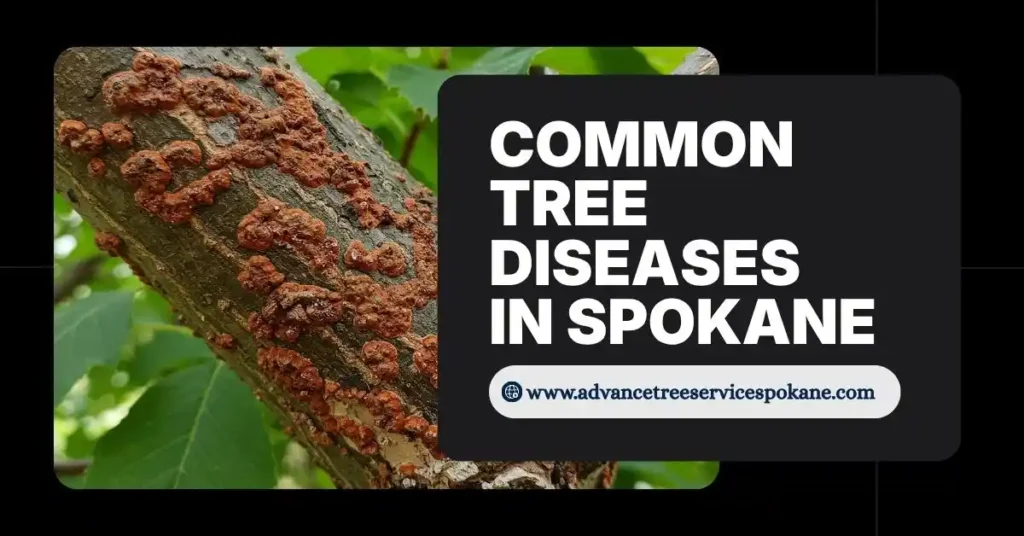
Spokane trees often face diseases due to seasonal weather changes, moisture imbalance, and soil stress. Early identification helps prevent spread and protect nearby trees. A professional tree service Spokane can inspect, diagnose, and treat these issues before they become serious.
Powdery Mildew
A white coating on leaves that blocks sunlight and slows tree growth. It often appears during dry days followed by cool, humid nights common in Spokane. Proper tree care and trimming from a tree trimming and tree pruning Spokane service can improve airflow and reduce its spread. If left untreated, it can spread across leaves and weaken the tree over time.
Root Rot
Caused by excess moisture, it damages roots and weakens the tree’s stability. This is common in areas with poor drainage or after heavy snowmelt. In advanced cases, the tree may lean or decline rapidly. A reliable tree removal Spokane service may be required if the tree becomes unsafe.
Canker Disease
Creates dead, sunken bark areas that disrupt nutrient flow and weaken structure. It often develops after stress or injury and can spread along branches if not controlled early. Regular inspection through a professional tree service can help detect it at an early stage.
Leaf Spot Disease
Dark spots on leaves that reduce energy production and cause early leaf drop. In Spokane’s damp conditions, this disease can spread quickly and affect overall tree health. Proper maintenance and pruning can help limit its impact.
Fire Blight
A bacterial disease that makes branches look burned and spreads quickly. It can damage entire sections of a tree if not managed in time and is more active during warm, wet periods. Timely intervention from tree care professionals helps prevent further spread and keeps surrounding trees protected.
Warning Signs of Tree Disease
Tree disease often shows early signs in the leaves, bark, and branches. Identifying these symptoms in time can help prevent serious damage and protect the overall health of the tree.
Discolored or Drooping Leaves
- Leaves turning yellow, brown, or showing unusual colors
- Drooping or wilting leaves even with proper watering
- Early leaf drop during the growing season
- Uneven or patchy canopy growth
Cracks or Sunken Bark
- Visible cracks or splits in the bark
- Sunken or damaged areas on the trunk
- Peeling or falling bark pieces
- Signs of internal weakness or decay
Fungus Growth
- Mushrooms or fungal growth near the tree base
- White, black, or colored patches on bark
- Soft or decaying areas around roots or trunk
- Indicates internal rot or moisture issues
Dead Branches
- Dry, brittle branches that snap easily
- Branches without leaves during growing season
- Breakage or hanging dead limbs
- Weak or thinning canopy structure
Impact of Tree Diseases on Your Property
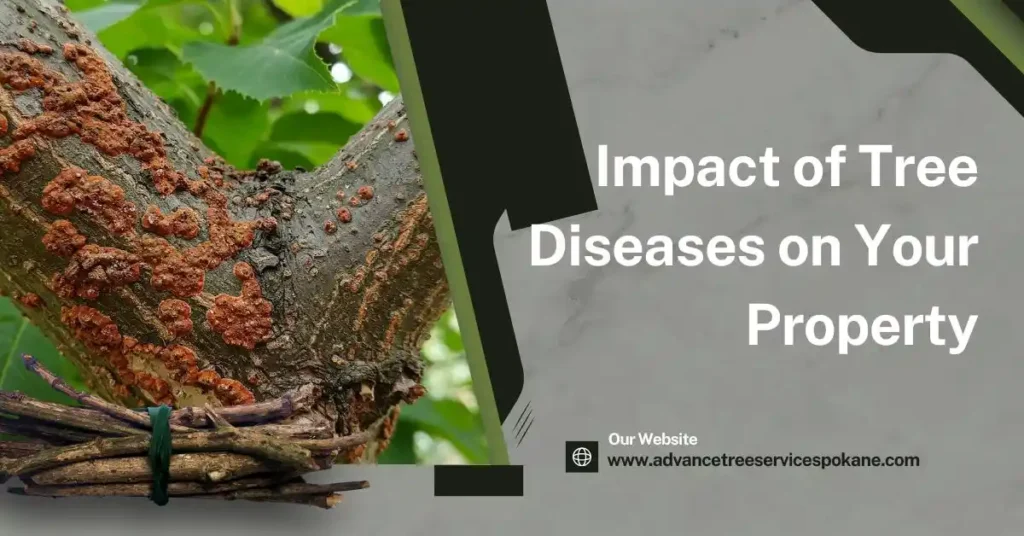
Tree diseases do not stay limited to one tree. In Spokane, they can spread and create safety risks, especially during storms, wind, and heavy snow. Ignoring early signs can lead to serious structural issues, increased risk of falling branches, and damage to nearby structures.
Structural Weakness
Diseased trees gradually lose strength in their trunk and branches, making them unstable and more likely to fall during strong winds or storms. Internal decay often goes unnoticed at first but weakens the tree from within, creating a direct safety risk for homes and people.
Spread to Nearby Trees
Tree diseases can spread through wind, water, and insects, especially in areas with dense tree growth. In Spokane, this means a single infected tree can affect surrounding healthy trees, increasing the overall damage across your landscape if not managed early.
Property and Financial Impact
Tree diseases can lead to costly damage if a tree falls on a house, fence, or vehicle. Emergency tree removal and property repairs are often much more expensive than preventive care, making early attention a practical and cost-saving approach.
When to Seek Professional Help
- Tree issues can become serious quickly if ignored
- Early action helps prevent damage and higher costs
- Professional help ensures accurate diagnosis and safe solutions
Tree Inspection Services
- Detailed assessment of tree health and structure
- Early detection of diseases, decay, and risks
- Identification of hidden issues not visible to homeowners
Tree Care and Treatment
- Proper pruning and trimming to improve tree health
- Disease treatment and prevention methods
- Soil and nutrient management for stronger growth
Safe Tree Removal
- Removal of hazardous or severely diseased trees
- Use of proper equipment and safety procedures
- Protection of nearby property and landscape during removal
Local Tree Health Awareness in Spokane
Spokane’s environment directly affects tree health throughout the year. Seasonal changes, soil conditions, and local climate all play a role in how trees grow and respond to stress. Understanding these local factors helps identify risks early and maintain strong, healthy trees across residential and commercial areas.
| Factor | Spokane Condition | Impact on Trees | What to Watch | Recommended Action |
| Climate | Cold winters, hot dry summers | Tree stress, कमजोर growth, higher disease risk | Dry leaves, slow growth, stress signs | Regular seasonal inspection |
| Soil Type | Often compact and nutrient-deficient in some areas | Weak root development and poor nutrient absorption | Yellowing leaves, stunted growth | Soil testing and fertilization |
| Moisture Levels | Snowmelt and irregular rainfall | Root rot and fungal growth | Mushrooms near base, soft roots | Improve drainage and avoid overwatering |
| Urban Growth | Construction in areas like South Hill and near downtown | Root damage and limited space | Leaning trees, root exposure | Professional tree service evaluation |
| Wind Conditions | Strong winds in open and elevated areas | Broken branches and structural damage | Cracked limbs, fallen branches | Regular pruning and maintenance |
| Tree Density | Dense tree areas near parks and residential zones | Faster spread of disease | Multiple trees showing similar symptoms | Monitor and manage infected trees early |
| Seasonal Changes | Rapid temperature and moisture shifts | Tree shock and weakened immunity | Sudden leaf drop, discoloration | Year-round tree monitoring |
| Pest Activity | Increased insects during warmer months | Disease spread and tree damage | Holes in bark, sticky residue | Pest control and tree care treatment |
Conclusion
Tree diseases in Spokane develop quietly but can lead to serious damage if ignored. Early detection and timely care make a significant difference in protecting both trees and property. Regular monitoring, proper maintenance, and awareness of warning signs help maintain healthy trees and reduce long-term risks across residential and commercial areas.
FAQs
What are the most common tree diseases in Spokane?
Common tree diseases in Spokane include powdery mildew, root rot, canker disease, leaf spot disease, and fire blight, especially due to seasonal moisture and temperature changes.
How can I tell if my tree is diseased?
Look for signs like discolored leaves, cracks in the bark, fungus growth, dead branches, or unusual leaf drop during the growing season.
Can tree diseases spread to other trees?
Yes, tree diseases can spread through wind, water, insects, and direct contact, especially in areas with closely planted trees.
When should I call a tree expert?
You should contact a tree expert when you notice early signs of disease, structural weakness, or any sudden decline in tree health.
Can diseased trees be saved?
Some diseased trees can be saved if the problem is detected early and treated properly, but severely damaged trees may require removal to ensure safety.