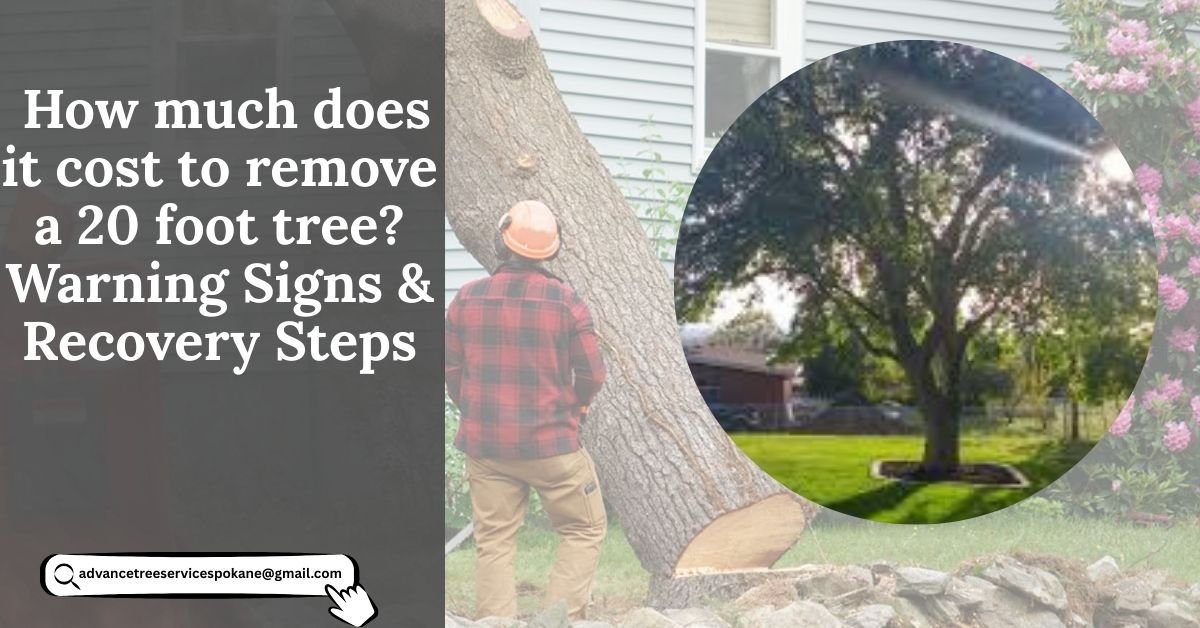
How much does it cost to remove a 20 foot tree?
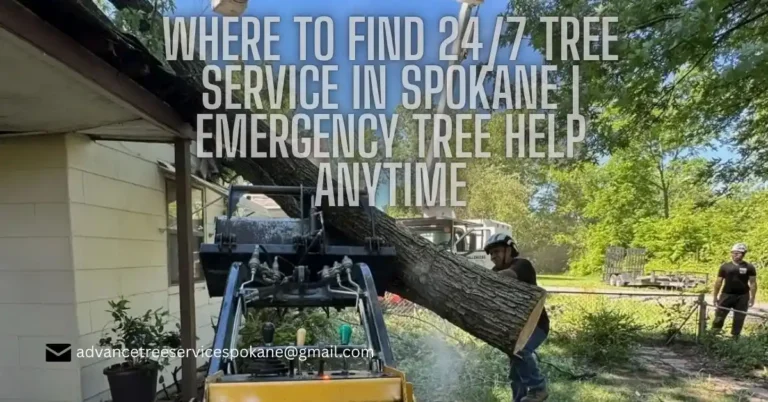
Removing a 20-foot tree costs $200–$600. Price depends on size, condition, and location. Obstacles like power lines can increase costs. Hiring a professional ensures safe removal and prevents damage. Compare local services to save time and money.
Can a Tree Be Saved Cost-Effectively?
Some trees in Spokane can be saved at lower cost with proper care. Prune broken branches, fix soil, and water properly. Acting quickly reduces overall tree care expenses.
Early Signs Your Tree May Increase Costs
Ignoring early maintenance can raise costs. Drooping leaves, cracked bark, and brittle branches may lead to expensive repairs. Acting early keeps tree care costs low.
Leaf Changes
Leaves that wilt, turn brown, or fall early often lead to higher tree maintenance costs. Early intervention reduces unnecessary spending on pruning or treatment.
Bark Damage, Cracks, or Peeling
Cracked or peeling bark can increase repair costs if untreated. Monitoring bark prevents costly pest and disease management.
Dead or Brittle Branches
Branches that snap easily may require professional removal, increasing tree service Spokane cost. Early pruning keeps expenses manageable.
Common Causes of Tree Cost Increases
Tree costs rise from drought, pests, and poor soil. Dead branches, disease, and root issues add expenses. Early care helps save money.
| Cause | What Happens | Action to Fix | Affected Cities |
| Water Stress (Overwatering or Drought) | Roots weaken, leaves wilt or drop, increasing repair costs | Adjust watering; water deeply and regularly | Spokane, Seattle, Tacoma |
| Soil Compaction & Poor Drainage | Roots get less oxygen; risk of rot | Loosen soil; add organic matter or mulch | Spokane, Yakima, Olympia |
| Pest Infestations & Insects | Leaves and bark get damaged; repair costs rise | Inspect trees; treat pests early | Spokane, Everett, Bellevue |
| Tree Diseases & Fungal Infections | Discolored leaves, soft bark, mushrooms increase treatment costs | Identify infection; apply proper treatment | Spokane, Vancouver, Bellingham |
| Root Damage | Reduced nutrient/water uptake; weak tree | Protect roots; avoid heavy equipment near tree | Spokane, Kent, Redmond |
How to Manage Tree Costs in Spokane, WA: Step-by-Step Recovery Guide
Proper care reduces unnecessary expenses. Follow these steps to manage tree health costs and maintain long-term savings.
Step 1: Identify Cost Drivers
Check roots, leaves, and bark to avoid expensive treatments later.
Step 2: Optimize Watering Practices
Consistent watering based on species prevents costly repairs.
Step 3: Improve Soil Health and Aeration
Loosen compacted soil and add mulch to reduce maintenance costs.
Step 4: Prune Carefully
Remove dead branches early to prevent higher service charges.
Step 5: Treat Pests or Disease Properly
Address infestations quickly to save on expensive treatments.
Step 6: Mulch Correctly
Protect roots and reduce long-term tree care costs.
When Cost of Saving a Tree May Be Too High
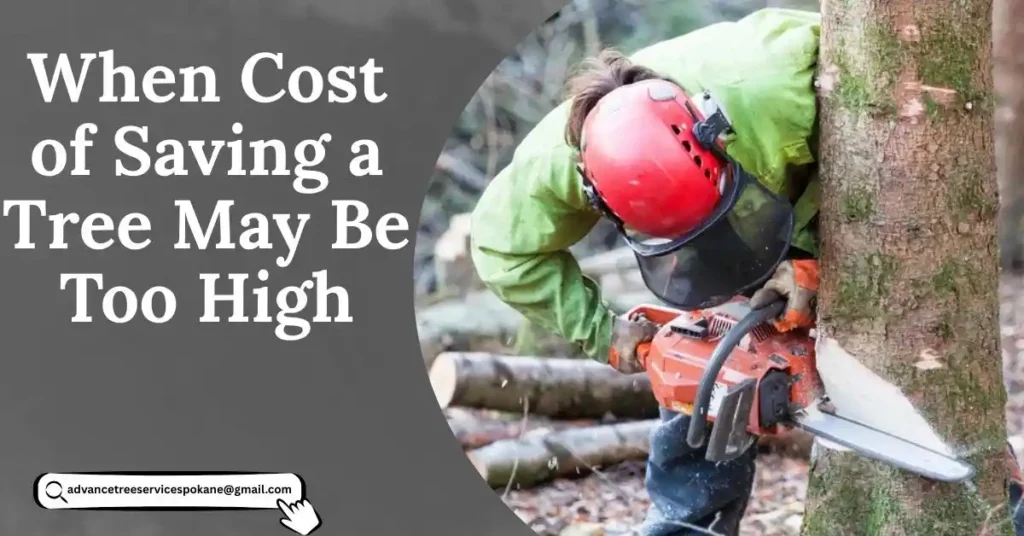
Some trees are too costly to save. Removing them ensures safety and avoids future expensive repairs.
Structural Instability or Severe Leaning
Heavily leaning trees may increase removal costs if ignored.
Extensive Internal Rot or Hollow Trunks
Deep rot makes trees unsafe and expensive to treat.
Advanced Disease Beyond Treatment
Certain infections may require full removal, increasing tree care costs.
Factors Affecting Tree-Related Costs
Local climate, seasonal changes, and tree species affect long-term expenses. Planning saves money.
Spokane’s Climate Impact
Hot summers and cold winters can increase watering and treatment costs.
Common Tree Species & Vulnerabilities
Douglas fir, maple, oak, and ash may require more services, raising costs.
Seasonal Stress Factors
Snow, wind, and spring frost can increase tree maintenance expenses.
DIY: How to Save Trees Cost-Effectively

Homeowners can reduce costs by watering properly, pruning, and mulching. Monitor for pests early to avoid professional expenses.
Step 1: Assess Tree Health
Identify cost-saving opportunities by spotting early issues.
Step 2: Water Properly
Deep watering prevents costly damage.
Step 3: Prune Smartly
Remove damaged branches with hand tools to reduce expenses.
Step 4: Soil and Mulch Care
Improve soil to avoid future high costs.
Step 5: Treat Minor Issues
Use low-cost solutions for small infestations.
Step 6: Monitor Regularly
Weekly checks reduce future professional fees.
How to Prevent High Tree Care Costs
Proper watering, mulching, and pruning maintain tree health and prevent expensive repairs. Regular inspections catch issues early, reducing overall tree care costs in the long run.
| Preventive Action | Benefit | Tips for Spokane & Nearby Cities |
| Proper Watering | Keeps roots healthy and strong | Water deeply, adjust for season in Spokane, Spokane Valley, and Cheney |
| Mulching Around Roots | Retains moisture, regulates soil | Use 2–4 inch layer of organic mulch around base |
| Pruning Damaged Branches | Prevents disease and decay | Trim broken or dead branches in Spokane, Liberty Lake, and Mead |
| Regular Pest & Disease Checks | Early detection prevents damage | Inspect leaves, bark, and roots monthly |
| Healthy Soil & Fertilization | Supports strong growth | Add compost or organic fertilizer in Spokane and nearby areas |
When to Seek Professional Help
Call professionals when tree damage is severe or repair costs may increase. Certified arborists provide safe pruning, pest control, and removal, preventing further expenses.
Conclusion:
Managing tree costs in Spokane requires early action, proper watering, pruning, and monitoring for pests or disease. Many trees can be maintained cost-effectively with DIY steps or professional help when needed. Understanding local climate, soil conditions, and seasonal stress ensures long-term savings.
Frequently Asked Questions
How much will it cost to remove a large tree?
Costs vary by size, species, and condition; professional removal may be needed if the tree is beyond saving.
How much to cut a 20-foot tree?
Pricing depends on tree health, location, and labor; local arborists provide accurate estimates.
Is it cheaper to cut or remove a tree?
Cutting small branches is cheaper, but full removal may be safer for dying trees.
What is the cheapest time of year for tree removal?
Late fall and early winter may offer lower prices as demand decreases.
What is the best month to cut down a tree?
Late winter or early spring is ideal for minimal stress and quicker recovery of nearby trees.