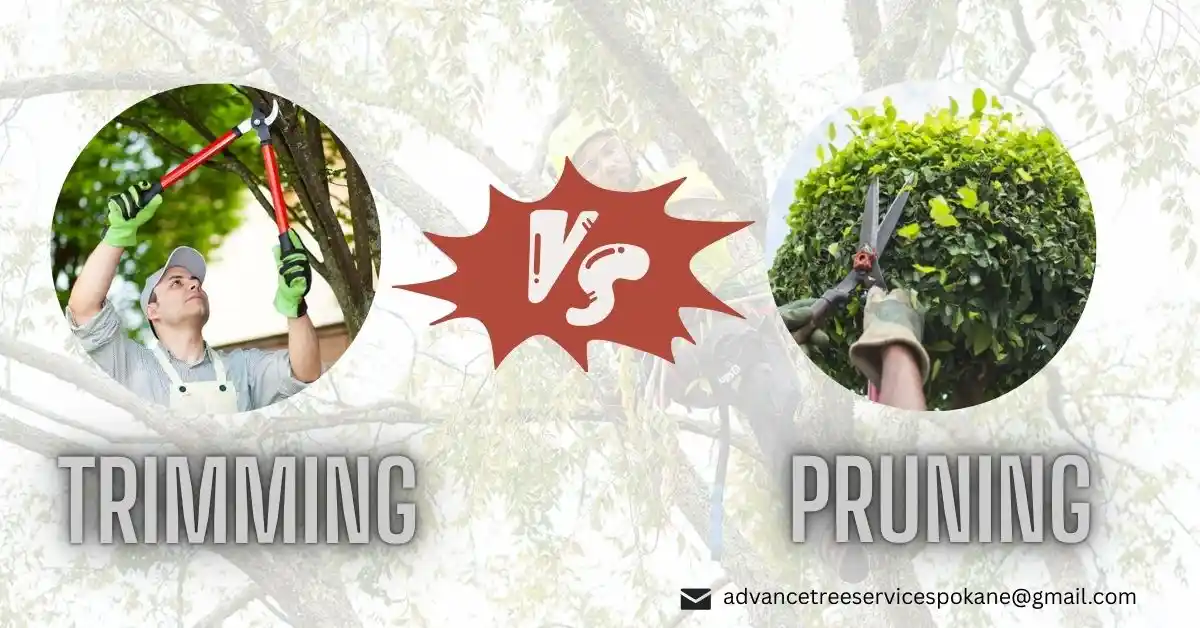
What’s the Difference Between Pruning and Trimming? A Simple Guide
Pruning is done to remove damaged or weak branches so a plant can grow better. Trimming is used to cut back extra growth and keep plants neat in shape. Pruning supports plant health, while trimming focuses on appearance. Both methods help control growth and keep plants safe and well maintained.
Why People Confuse Pruning and Trimming
Many homeowners mix up pruning and trimming because both involve cutting plant parts. Knowing the difference ensures trees stay healthy and your yard looks neat.
Common Misconceptions About Pruning and Trimming
People often think pruning is only for aesthetics and trimming is for health. In reality, pruning improves plant health, while trimming mainly shapes and controls growth.
Mistakes Homeowners Often Make
Cutting at the wrong time, over-pruning, or trimming too much can harm trees. Many Spokane homeowners make these errors without realizing the long-term damage.
Importance of Knowing the Correct Method
Understanding pruning versus trimming helps protect your plants, saves money on professional care, and ensures your yard remains safe and attractive.
What Is Pruning?
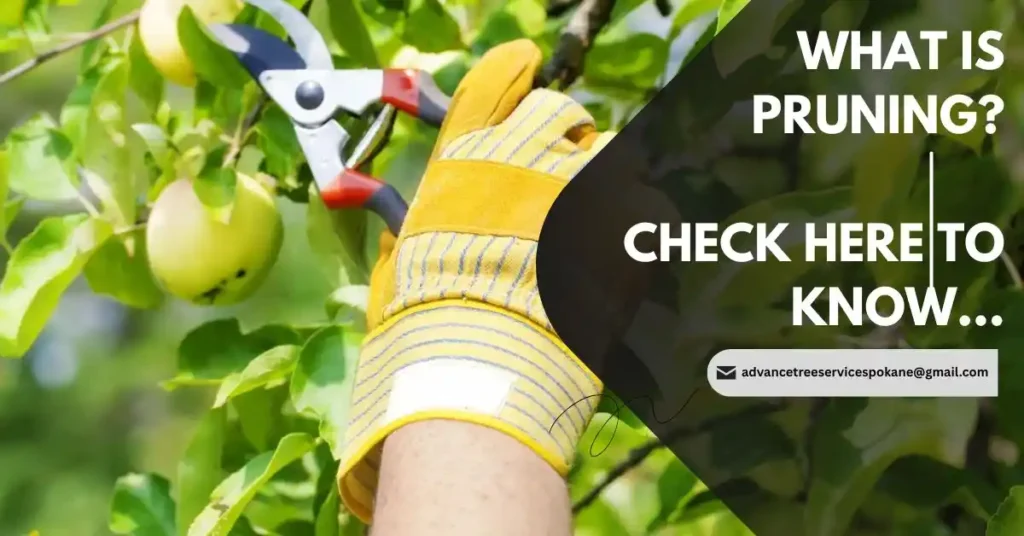
Pruning removes damaged, diseased, or unnecessary branches to improve plant health and structure in Spokane.
How Pruning Improves Tree and Plant Health
Pruning removes dead or weak branches, promotes strong growth, and prevents disease from spreading through the tree or plant.
When and Why Pruning Should Be Done
Pruning is best done in dormant seasons or after storms to remove broken limbs. The goal is to maintain health, safety, and proper growth.
Types of Pruning for Different Plants
Different plants need different pruning methods to stay healthy and grow strong. Choosing the right type helps Spokane homeowners maintain trees, shrubs, and flowering plants properly.
Structural Pruning
Structural pruning shapes young trees for strong growth and a stable framework. It prevents weak branches and ensures long-term health for the tree.
Crown Thinning
Crown thinning removes select branches to improve sunlight and air flow inside the tree. It helps reduce disease and strengthens the overall structure.
Dead or Diseased Branch Removal
Removing dead or diseased branches protects trees from pests and infections. It also improves safety by eliminating weak or broken limbs.
What Is Trimming?
Trimming shapes plants and keeps them neat while controlling size. It focuses on aesthetics and minor maintenance rather than health.
How Trimming Shapes and Maintains Plants
Trimming removes excess growth and encourages a tidy appearance for trees, shrubs, and hedges in Spokane.
Situations When Trimming Is Necessary
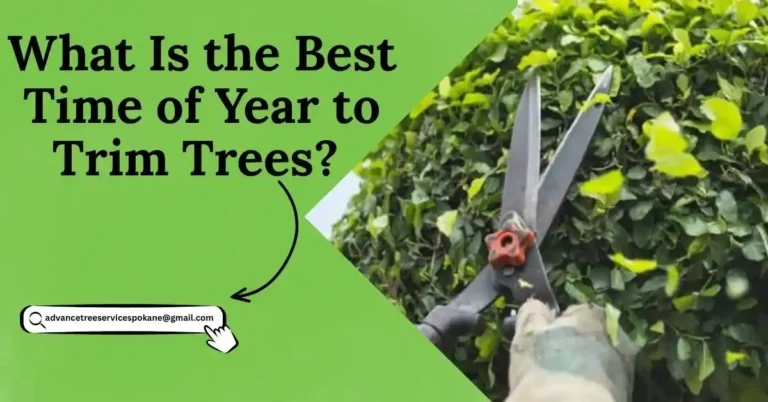
Use trimming for hedges, topiary, or when branches encroach on pathways, fences, or buildings.
Long-Term Benefits of Regular Trimming
Regular trimming keeps plants compact, prevents overcrowding, and maintains a visually appealing garden all year.
Pruning vs Trimming: Key Differences
| Feature | Pruning | Trimming |
| Goal | Improve tree health and structure | Shape and maintain appearance |
| Timing | Seasonal, usually dormant periods | As needed for aesthetics |
| Tools | Pruning shears, loppers, saws | Hedge trimmers, shears, pruners |
| Benefits | Removes dead wood, prevents disease, encourages strong growth | Controls size, improves appearance, manages space |
When to Choose Pruning vs Trimming
Deciding whether to prune or trim depends on the plant type, branch condition, and the results you want. Pruning focuses on tree health and safety, while trimming maintains shape, space, and overall appearance.
How to Decide Based on Plant Type
Trees with heavy growth or weak branches benefit most from pruning. Shrubs, hedges, and small plants often only need trimming to maintain shape and manage space.
Considering Branch Condition
Dead, diseased, or damaged branches should be pruned to protect the plant. Overgrown but healthy branches can be trimmed to improve appearance and light penetration.
Seasonal Considerations
In Spokane, pruning is best done in late winter or early spring to encourage healthy growth. Trimming can be performed multiple times a year for aesthetics and maintenance.
H2: Tools Used for Pruning and Trimming
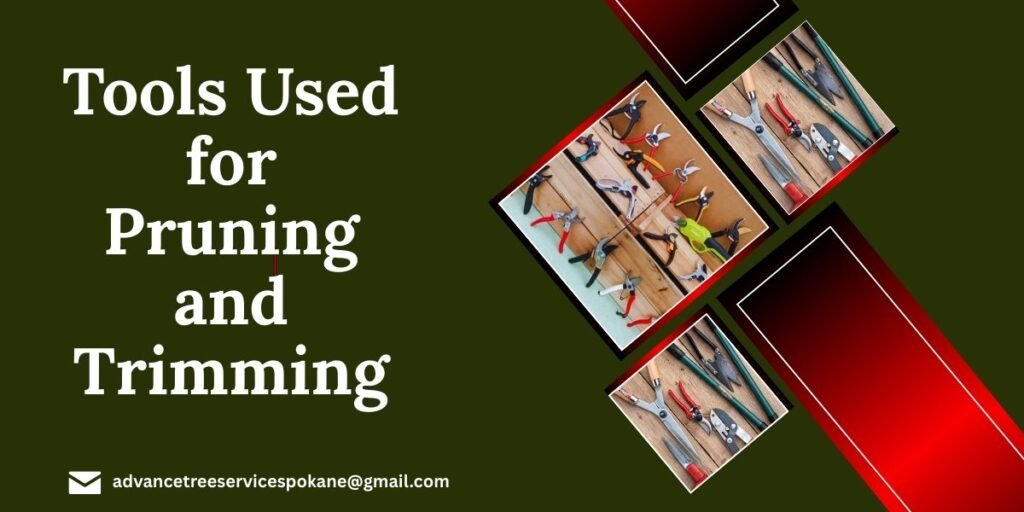
| Tool Type | Purpose |
| Hand Tools (Pruners, Loppers, Saws) | Cutting branches for pruning or trimming |
| Safety Equipment (Gloves, Goggles) | Protect hands and eyes from injury |
| Specialized Tools for Large Trees | Tree saws, pole pruners, chainsaws for big branches |
Common Mistakes Homeowners Make in Spokane
Many Spokane homeowners accidentally harm plants due to lack of knowledge or improper tools. Avoiding these mistakes keeps trees healthy.
Over-Pruning or Under-Pruning
Removing too many branches can weaken a tree. Leaving dead or damaged wood encourages pests and disease and slows proper growth.
Cutting at the Wrong Angle or Location
Making cuts at the wrong angle prevents the tree from healing naturally. This can leave the tree open to infections and structural problems.
Using Improper Tools
Making cuts at the wrong angle prevents the tree from healing naturally. This can leave the tree open to infections and structural problems.
H3: Ignoring Plant Health or Timing
Pruning or trimming at the wrong season can stress trees. Poor timing may reduce growth and leave plants vulnerable to disease.
DIY vs Professional Tree Services
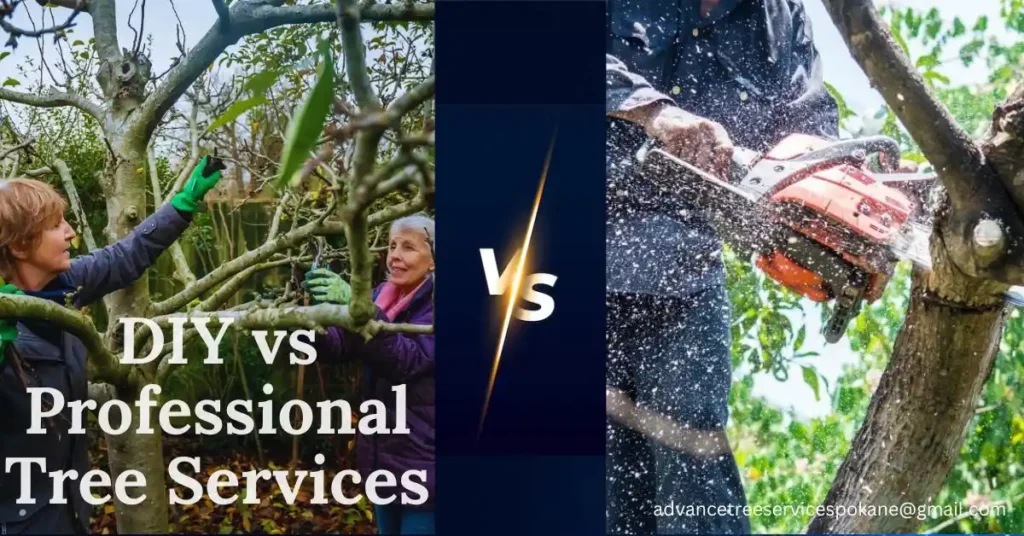
Homeowners can handle minor trimming or small plants themselves, but professional tree services are safer and more effective for larger trees, hazardous branches, or complex pruning tasks. Choosing the right approach protects your yard and ensures healthy growth.
When DIY Is Safe
Small shrubs, light pruning, and basic trimming can be done safely at home using proper tools. These tasks are suitable for Spokane homeowners with some experience and allow for regular maintenance without hiring a professional.
When to Hire a Certified Arborist
Large trees, storm-damaged limbs, or branches near power lines require professional expertise. Certified arborists in Spokane have the training and equipment to safely handle these tasks while minimizing damage to your property.
Long-Term Tree Health Benefits
Hiring professionals ensures pruning and trimming are done correctly, reducing the risk of disease, structural weakness and improper growth. Proper care over time maintains strong trees and a healthy, attractive yard.
How Proper Pruning and Trimming Improve Plant Health
| Benefit | How It Helps |
| Prevent Disease | Removes diseased or damaged branches |
| Support Healthy Growth | Encourages strong, balanced structure |
| Maintain Structural Integrity | Reduces risk of weak branches breaking |
| Keep Yard Safe and Attractive | Improves appearance and safety |
Seasonal Pruning and Trimming Tips in Spokane
Timing affects plant health and growth. Follow these tips to optimize results.
Spring Pruning and Trimming Tips
Focus on shaping and removing winter damage. Avoid heavy pruning on flowering plants that bloom in spring.
Summer Pruning and Trimming Tips
Light trimming for aesthetics and controlling growth. Remove dead or diseased wood carefully.
Fall and Winter Pruning Tips
Prune dormant trees to prepare for healthy growth. Avoid trimming flowering shrubs that bloom in spring.
Conclusion
Proper pruning and trimming in Spokane ensures healthy, safe, and attractive trees. Knowing the difference between pruning and trimming helps homeowners protect plants, avoid mistakes, and maintain long-term growth. For complex or large tree work, hiring a certified arborist is recommended.
FAQ
Is pruning better than trimming?
Pruning is better for plant health and structure, while trimming mainly controls shape and appearance.
Can trimming replace pruning?
No. Trimming alone cannot remove dead or diseased branches needed for plant health.
How often should plants be pruned or trimmed?
Prune once or twice a year depending on tree type. Trim more frequently to maintain shape.
Does pruning help plant growth?
Yes. Correct pruning removes weak branches, prevents disease, and encourages strong growth.
What happens if you never trim plants?
Plants may become overgrown, unsightly, and branches could block paths or interfere with structures.