Tree Care & Maintenance Tips for Spokane Homeowners | Pruning & Pest Control
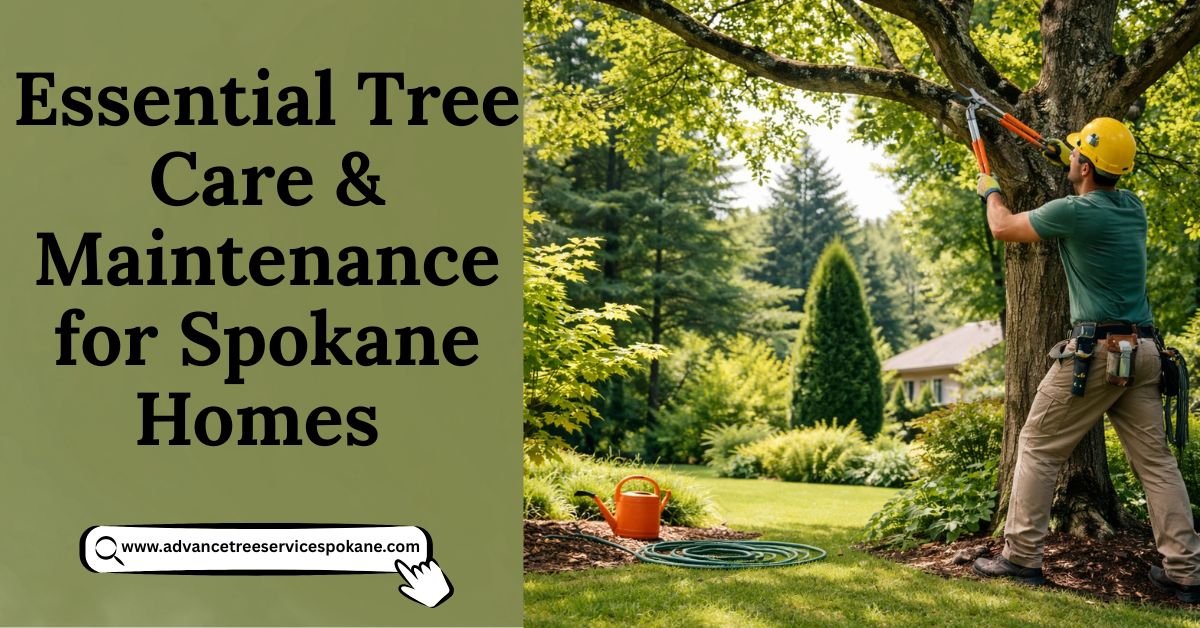
Keeping trees healthy in Spokane means regular pruning, checking for pests and taking care of them each season. Homeowners should remove dead or weak branches, put mulch around the roots, water deeply when it is dry and watch for insects to keep trees strong and healthy.
Why Tree Care is Important
Proper tree care ensures trees remain strong, healthy, and safe for your property. Understanding its importance helps Spokane homeowners prevent long-term problems and maintain beautiful landscapes.
Benefits of maintaining trees
Healthy trees improve your property’s appearance and provide shade, cleaner air, and a habitat for wildlife. Regular maintenance also encourages strong growth and reduces the risk of disease and pest infestations.
Risks of neglecting trees
Neglected trees can develop weak or dead branches, making them more likely to fall during storms. Lack of care also increases the chances of disease, pest infestations, and structural damage to your property.
Regular Pruning and Trimming
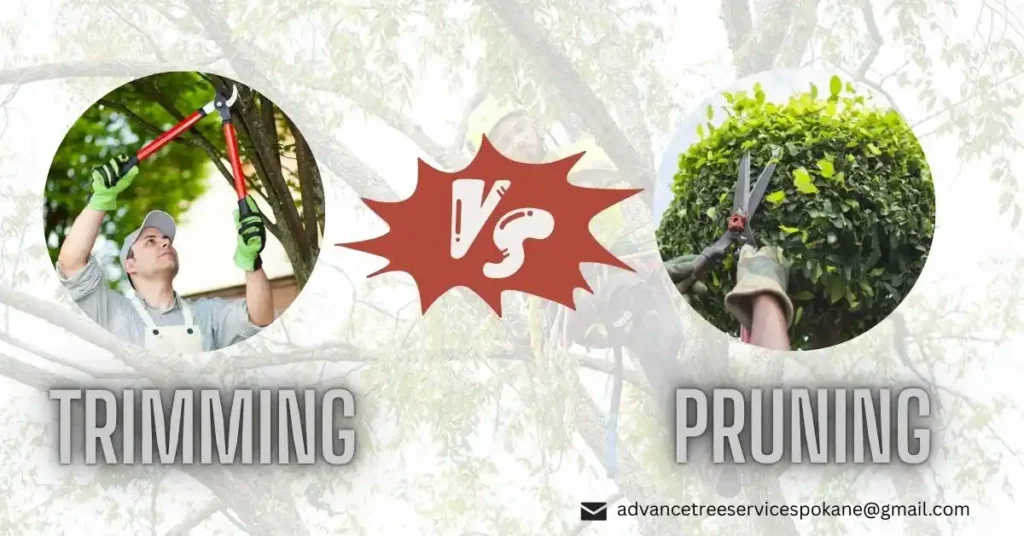
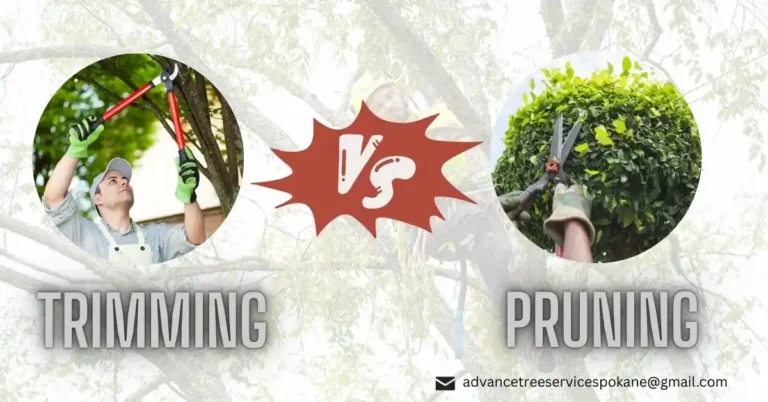
Tree Pruning and trimming help trees grow strong while preventing hazards. Spokane homeowners can maintain tree health by following proper techniques each season.
H3: Importance of pruning
Pruning removes dead, weak, or crossing branches, allowing sunlight and air to reach the inner canopy. This strengthens the tree and reduces the risk of disease and broken branches during storms.
How to prune safely
Use sharp, clean tools and make cuts at the correct angle. Always start with small branches and work your way up, keeping yourself safe and minimizing damage to the tree.
Seasonal pruning guide
Late winter or early spring is the best time to prune most trees, as they are dormant and less stressed. Avoid heavy pruning during active growth to prevent damage or disease.
Pest and Disease Management
Keeping trees free from pests and disease ensures long-term health. Regular inspections help Spokane homeowners catch problems early.
Common tree pests in Spokane
Aphids, borers, and scale insects are frequent problems in Spokane. These pests can weaken branches, damage leaves, and spread disease if not controlled promptly.
How to detect disease early
Look for yellowing leaves, unusual spots, or fungal growth. Early detection allows for quicker treatment and prevents the spread of infection to other trees.
H3: Control methods
Small infestations can be handled with natural remedies or targeted sprays. For larger issues, hiring a certified Spokane arborist ensures the right approach and protects tree health.
Watering and Fertilization Tips

Proper watering and fertilization keep trees strong and thriving. Spokane homeowners should follow seasonal strategies to provide essential nutrients and moisture.
Deep watering methods
Water trees slowly and deeply at the base to ensure roots receive enough moisture. Shallow watering can lead to weak roots and poor growth.
Mulching for moisture and protection
Adding mulch around the roots helps retain moisture, regulate soil temperature, and protect trees from weeds. Keep mulch a few inches away from the trunk.
Fertilization guide
Use slow-release fertilizers during the growing season to provide consistent nutrients. Avoid over-fertilizing, which can harm trees and promote weak growth.
Soil and Root Care
Healthy soil and strong roots form the foundation of tree health. Regular attention helps Spokane homeowners maintain vibrant and resilient trees.
Soil aeration techniques
Loosen compacted soil around the root zone to allow air, water, and nutrients to penetrate more effectively. This encourages stronger root growth.
Root protection tips
Avoid digging or heavy traffic near tree roots. Damaged roots reduce stability and make trees more vulnerable to disease and drought.
Testing soil health
Test soil for pH and nutrient levels to understand what your trees need. Amend soil as necessary to provide an optimal growing environment.
Tree Safety and Property Protection
Maintaining tree safety protects your property and everyone around it. Spokane homeowners should inspect trees regularly for potential hazards.
Identifying weak or hazardous branches
Look for broken, dead, or split branches. Removing these early prevents accidents and protects your home during storms.
Storm damage prevention
Prune trees before storm season and remove unstable branches. Proper structural maintenance reduces the risk of damage from wind, snow, or ice.
Power line and property safety
Keep trees trimmed away from power lines and structures. If branches are too high or risky, hire a professional arborist to manage them safely.
Tools Needed for Tree Care
Using the right tools ensures effective and safe tree maintenance. Spokane homeowners should choose equipment based on tree size and task.
Hand pruners and pruning shears
Ideal for small branches and precise trimming. Sharp, clean blades prevent injury and help trees heal quickly.
Loppers and pole saws
Useful for medium to large branches and for reaching high areas safely. Always follow manufacturer guidelines for safe operation.
Safety gear
Gloves, glasses, and sturdy footwear protect you from cuts, debris, and falling branches while working.
When to hire professionals
For large trees, high branches, or complicated cuts, hiring a certified Spokane arborist is the safest option. Professionals protect both property and tree health.
DIY vs Professional Tree Care
Knowing your limits ensures safety and better outcomes. Spokane homeowners should balance DIY tasks with professional help.
Safe DIY tips for homeowners
Small pruning, mulching, and watering can be done safely with the right tools and careful planning. Always follow best practices.
Benefits of hiring a Spokane arborist
Certified arborists handle high-risk tasks and complicated pruning. They prevent injury, maintain tree health, and ensure long-term safety.
Cost vs safety considerations
While DIY may save money, professional care reduces risks of damage to trees and property. Safety should always come first.
Seasonal Tree Care in Spokane
Trees need different care in each season. Following a seasonal schedule keeps Spokane trees strong and healthy all year.
Spring care tips
Prune lightly, fertilize, and check for pests early. Spring is ideal for encouraging new growth.
Summer care tips
Water deeply during dry periods, monitor for insects, and remove dead leaves or branches to prevent disease.
Fall care tips
Mulch the base, clean up fallen leaves, and prune any dead or weak branches before winter.
Winter care tips
Perform dormant pruning for most species and remove broken or hanging branches to prevent storm damage.
Common Mistakes to Avoid
Avoiding mistakes is crucial for long-term tree health. Spokane homeowners who understand these common errors can prevent damage, maintain strong growth, and protect their property.
Over-pruning or removing too much
Cutting too many branches stresses the tree, reduces growth, and can make it more vulnerable to disease. Always prune selectively and focus on weak or dead branches only.
Cutting too close or too far from branch collar
Incorrect cuts slow healing, increase the risk of decay, and weaken the tree. Make each cut carefully at the proper location near the branch collar to support fast recovery.
Ignoring pests or diseased branches
Neglecting branches affected by pests or disease allows problems to spread to healthy parts of the tree. Early removal protects overall tree health and prevents costly damage.
Using improper tools
Blunt or unsuitable tools can injure both the homeowner and the tree. Using the right equipment ensures safe pruning and minimizes the risk of damage to branches.
Spokane-Specific Tree Care Tips
Understanding local tree species and Spokane’s climate is key to maintaining healthy trees. Homeowners benefit from care strategies tailored to the region, which improve tree growth, prevent disease, and protect property.
Common tree species in Spokane
Maples, oaks, and conifers are some of the most common trees in Spokane. Each species requires different pruning, watering, and fertilization methods to grow strong and healthy. Knowing these needs helps prevent stress and encourages long-term vitality.
Local climate considerations
Spokane experiences dry summers and cold winters, which affect tree growth and care routines. Homeowners should adjust watering schedules, prune at the right time, and monitor trees for seasonal pests and disease to maintain health year-round.
Resources and arborist contacts
Local certified Spokane arborists and tree service companies offer expert advice, seasonal guidance, and professional tree care. Consulting professionals ensure proper pruning, pest management, and overall tree safety.
Conclusion
Following proper tree care practices ensures strong, healthy, and safe trees. Pruning, pest control, seasonal care, and professional help when needed help Spokane homeowners protect their property and enhance tree beauty. Regular attention preserves tree health for years to come.
FAQs
How often should Spokane homeowners prune their trees?
Most trees benefit from pruning once a year, ideally during the dormant season in late winter or early spring.
What are common pests for trees in Spokane?
Aphids, borers, and scale insects frequently affect Spokane trees. Early detection prevents serious damage.
When should I call a professional arborist?
Hire a certified arborist for large branches, high-risk pruning, or when trees show signs of disease or structural weakness.
How do I keep trees healthy during dry summers?
Water deeply at the base, mulch around roots, and monitor soil moisture regularly to prevent stress.
Can over-pruning damage my tree?
Yes. Removing too many branches weakens the tree, slows growth, and increases vulnerability to disease.