
What Are the Signs of a Dying Tree? Spokane Homeowner’s Guide
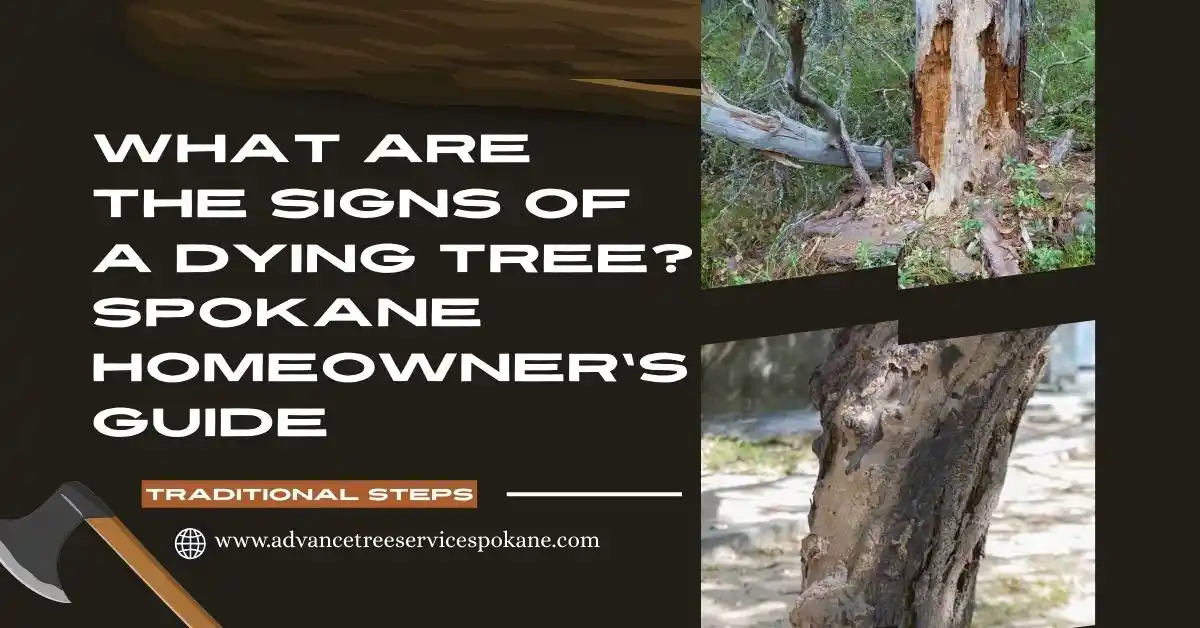
A dying tree often shows weak or broken branches and falling or sparse leaves. Cracked, peeling, or missing bark is a key warning sign. Exposed or damaged roots indicate serious stress and poor tree health. Fungal growth, rot, or insect infestations may appear. Early detection helps protect your property, maintain yard safety, and save your trees before damage worsens.
How to Tell if a Tree Is Dying, Stressed, or Dead
Trees may look healthy but hide serious problems in Spokane. Weak branches, sparse leaves, or peeling bark are warning signs. Roots may be exposed or damaged, showing stress. Professional Tree Service Spokane experts can identify these issues early, helping protect your property and keep your yard safe.
| Sign | What It Indicates | Suggested Action |
| Falling or sparse leaves | Tree stress or dying tree | Inspect canopy and branches regularly |
| Cracked, peeling, or missing bark | Weak trunk or tree disease | Call a certified arborist for inspection |
| Exposed or damaged roots | Serious stress or structural risk | Avoid heavy soil work near roots |
| Weak or broken branches | Tree decline or hazard risk | Remove damaged branches or consult tree experts |
| Discolored or misshapen leaves | Nutrient deficiency or pest infestation | Treat with proper fertilizer or pest control |
| Presence of fungi, rot, or mushrooms | Internal decay or tree disease | Seek professional tree care immediately |
Difference Between a Dying Tree and a Dead Tree
A dying tree still has some life left. Dead trees have no growth or green leaves. Knowing this helps prevent hazards in Spokane yards.
Can a Stressed Tree Recover in Spokane?
Yes, stressed trees often recover with care. Proper watering, soil, and tree pruning support health. Certified arborists can guide local recovery steps.
Visible Signs of a Dying Tree in spokane
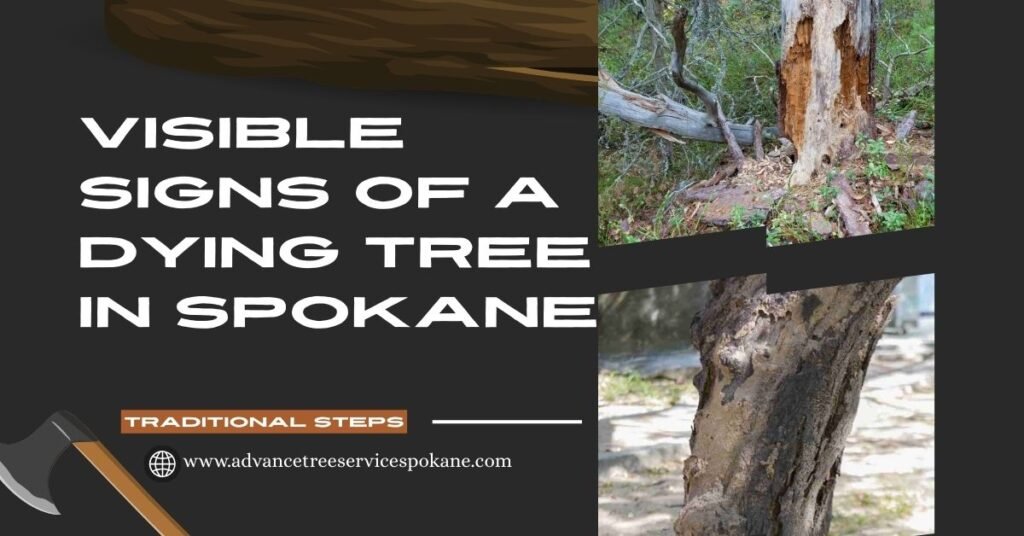
A dying tree often shows falling leaves or thin canopy. Cracked or missing bark is a clear warning. Fungal growth, rot, or mushrooms may appear on the trunk or roots. Early detection helps save your trees and protect property.
Peeling, Cracked, or Missing Bark
Bark falling off shows stress or tree disease. It may expose roots to damage. Early inspection prevents serious problems.
No Green Layer Under the Bark
Scratch test shows green layer under bark. No green means the tree is dying. This helps spot hidden root or trunk issues.
Lack of Leaves or Sparse Canopy
Thin or missing leaves show tree stress. A full canopy means healthy growth. Seasonal checks keep Spokane trees safe.
Discolored or Misshapen Leaves
Yellow, brown, or curled leaves warn of tree disease. Leaf discoloration shows nutrient deficiency or pest infestation. Timely care helps recovery.
Structural Warning Signs You Should Not Ignore
Leaning trees, broken branches, and exposed roots in Spokane indicate serious problems. These tree hazards can damage property or injure people. Watching for these signs and taking action early keeps your yard safe and preserves tree health.
Brittle or Dead Branches Falling
Branches falling easily indicate decline. Dead branches can injure property or people. Removing them ensures safety.
Tree Leaning or Sudden Shift in Position
Leaning trees may fall during storms. Watch for sudden tilts in trunk or roots. Immediate evaluation avoids accidents.
Heaving Soil or Exposed Roots
Roots showing above ground indicate stress. Soil movement can harm stability. Professional inspection prevents tree failure.
Root, Pest, and Disease Related Signs
Problems in roots, pests, or tree diseases often hide danger. Look for rot, fungi, or insect infestations. Damaged roots or trunk decay weaken trees. Early care from arborists can save your trees and protect your yard.
Root Damage and Poor Root Health
Damaged roots weaken trees. Poor soil quality and compaction harm growth. Strong roots prevent leaning or falling.
Fungal Growth, Rot, or Mushrooms
Fungi or mushrooms signal decay inside tree. Rot weakens trunk and branches. Removing affected areas may save the tree.
Insect Infestations and Pest Activity
Bark beetles, termites, or borers attack trees. Pests weaken structure over time. Arborists can treat infestations safely.
Environmental Factors That Can Cause Tree Decline
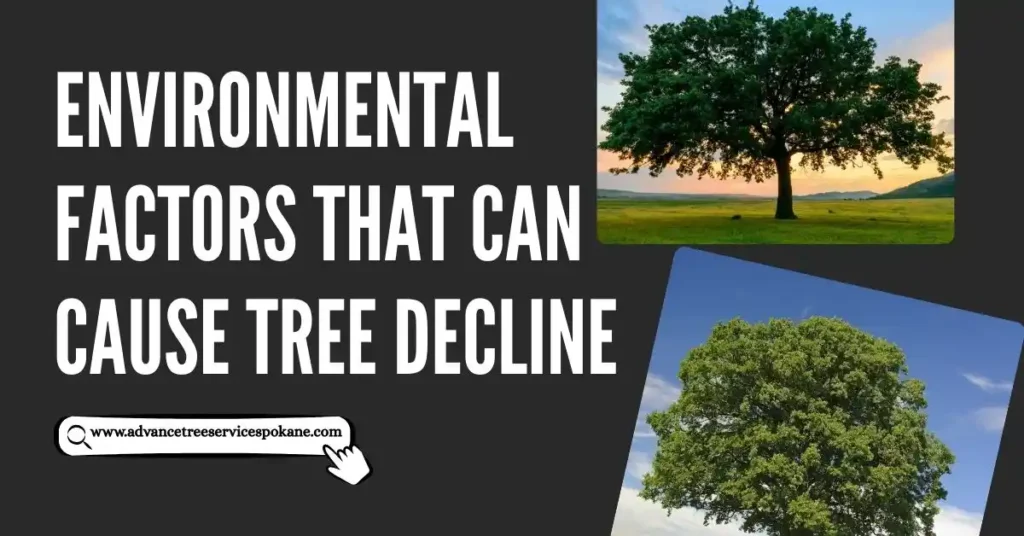
Weather stress, poor soil quality, and improper watering can harm tree health. Overwatering, drought, or storm damage can weaken branches and roots. Fixing these problems helps trees recover and ensures safe, strong growth in your yard.
Overwatering or Underwatering
Too much or too little water harms growth. Soil moisture balance is key. Proper irrigation supports tree recovery.
Storm Damage and Weather Stress
High winds or lightning harm trees. Broken branches or leaning trunks appear. Quick care reduces risk.
Poor Soil Conditions and Nutrient Deficiencies
Low nutrients stunt tree growth. Soil quality affects root health. Fertilization improves canopy and leaf color.
When a Dying Tree Becomes a Safety Risk
Unhealthy trees can threaten property and people. Falling branches, leaning trunks, or exposed roots increase hazards. Early detection of tree decline prevents accidents. Professional inspection ensures yard safety and preserves tree health.
| Sign | What It Indicates | Suggested Action |
| Leaning trunk | High risk of falling tree | Call a certified arborist immediately |
| Weak or broken branches | Potential hazard to property or people | Remove damaged branches safely |
| Exposed or damaged roots | Reduced stability of tree | Avoid heavy work near roots, consult tree experts |
| Cracks or holes in trunk | Internal decay or weakened structure | Schedule tree inspection by professionals |
| Falling leaves or small branches outside season | Tree stress or early decline | Monitor tree health and act promptly |
| Fungal growth or rot | Structural weakness and decay | Seek professional tree care immediately |
Signs a Tree May Be at Risk of Falling
Cracks, leaning, or root damage warn of falling. Branches may break in storms. Prompt action avoids hazards.
Potential Risks to Property and People
Falling trees can harm cars, houses, or pets. Yard safety depends on tree assessment. Certified arborists can provide advice.
Can a Dying Tree Be Saved?
Not all dying trees are lost. Many recover with proper watering, pruning, and pest care. Early treatment can save branches, roots, and the canopy. Certified arborists help maximize tree survival and maintain yard safety.
When Professional Tree Care May Help
Arborists evaluate tree health and suggest treatments. Soil improvement and pruning save many trees. Timely care increases survival.
When Tree Removal Is the Safer Option
Severely dying or hazardous trees must be removed. Tree removal prevents property damage or accidents. Experts handle this safely.
When to Contact a Certified Arborist or Tree Professional
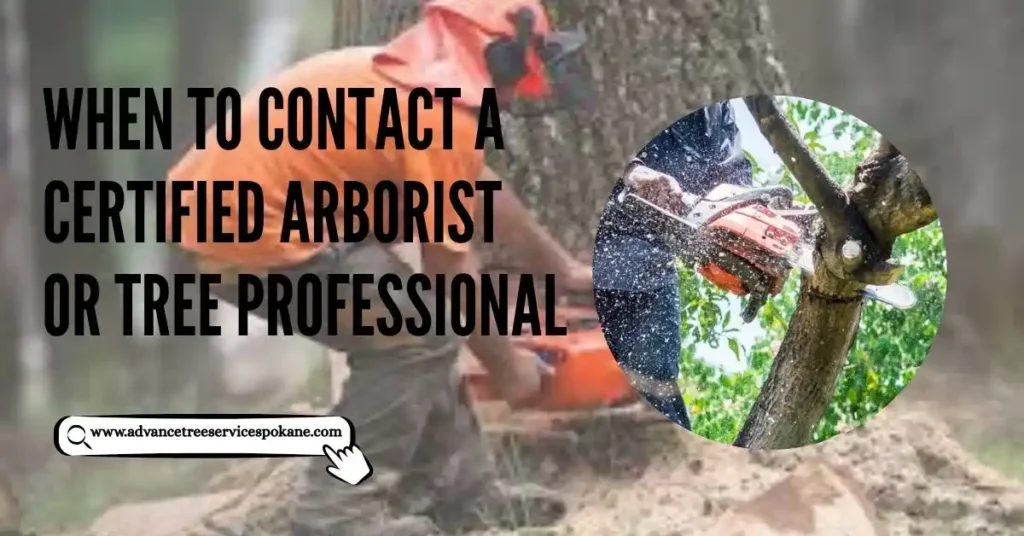
Certified arborists evaluate tree health, inspect roots, and detect hidden pests. They prevent hazards and protect property. Hiring experienced professionals ensures safe removal or care. This keeps Spokane yards safe and trees healthy.
Situations That Require a Professional Assessment
Leaning trunks, root damage, or fungal growth need experts. Safety risks should never be ignored. Arborists guide Spokane homeowners effectively.
Importance of Experience and Proper Equipment
Experienced arborists handle large or hazardous trees. Proper tools prevent accidents and further damage. Always hire trained professionals.
Conclusion
A dying tree shows weak branches, sparse leaves, peeling bark, or damaged roots. Early detection of tree stress helps protect your property and keep your yard safe. Certified arborists in Spokane can inspect, treat, or remove hazardous trees. Taking action quickly ensures tree health, prevents accidents, and preserves your landscape.
FAQs
How long can a tree survive while dying?
Some trees last months or years. Survival depends on stress and care. Early detection improves longevity.
How do I know if my tree is dying?
Check leaves, bark, branches, and roots. Look for fungal or insect signs. Timely inspection identifies problems.
How to save a tree from dying in spokane?
Water correctly, prune damaged branches, treat pests. Fertilize soil if needed. Professional care boosts recovery.
What is the most common cause of tree death?
Pests, diseases, root damage, and storms. Poor soil or watering worsens health. Certified arborists can prevent losses.