
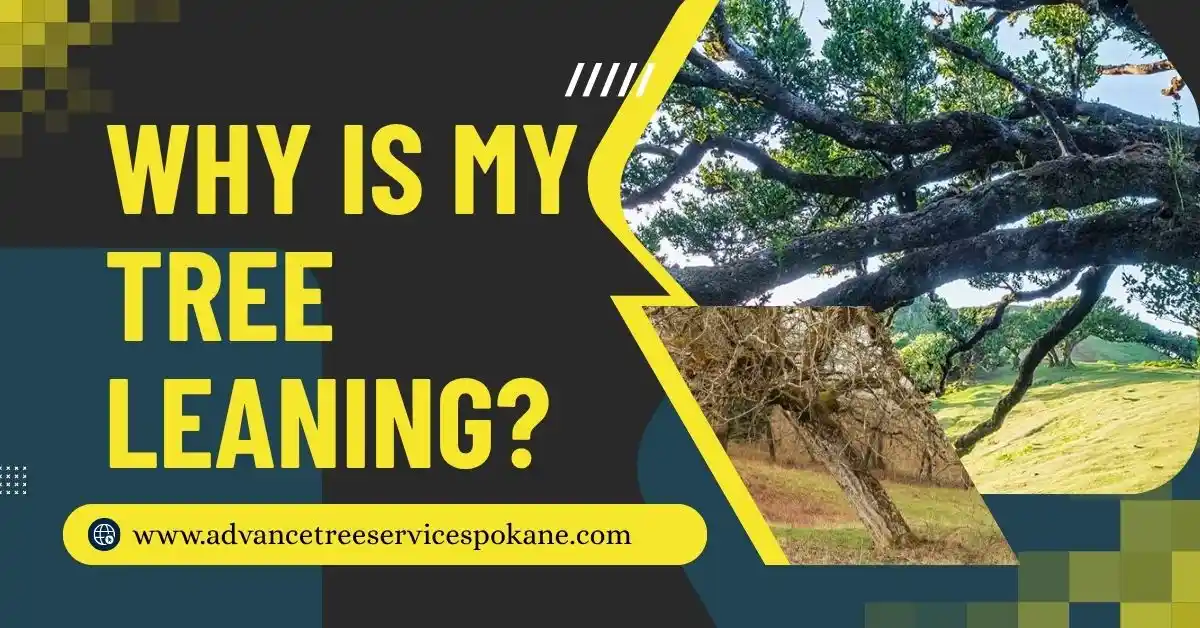
Why Is My Tree Leaning in Spokane and What Should You Do About It?
A leaning tree in Spokane can be an early sign of root stress, soil movement, or structural imbalance caused by local weather conditions. Strong winds, heavy snow, and freezing temperatures can gradually affect tree stability and make them more prone to leaning over time. While some cases are natural growth, others may indicate serious issues that need attention. Identifying the cause early helps protect your property and maintain healthy trees. A professional tree service in Spokane can assess the situation and provide safe, effective solutions.
Why Is My Tree Leaning in Spokane?
A leaning tree in Spokane can result from natural growth patterns or underlying structural issues. If you notice a tree leaning in Spokane, it may be due to local weather conditions like wind, snow, and soil shifts that influence how trees stand. While some leaning is normal, sudden or worsening tilt in a tree leaning in Spokane may signal a problem that needs attention.
Natural Tree Growth vs Problem Leaning
| Natural Lean | Problem Lean |
| Gradual and stable growth | Sudden or increasing lean |
| Tree appears healthy | Tree shows stress or damage |
| No root exposure | Roots may be exposed or weakened |
| No structural cracks | Possible trunk cracks |
A natural lean is usually harmless, while a problem lean often signals root, soil, or structural issues that require attention.
When a Leaning Tree Becomes Dangerous
A leaning tree becomes dangerous when it starts shifting suddenly or shows visible signs of instability. If the angle of the tree is increasing, or if roots are lifting from the ground, it can indicate that the tree may fall. In Spokane’s weather conditions, this risk increases during storms or heavy snowfall, making early inspection essential to prevent property damage or safety hazards.
Common Causes of a Leaning Tree
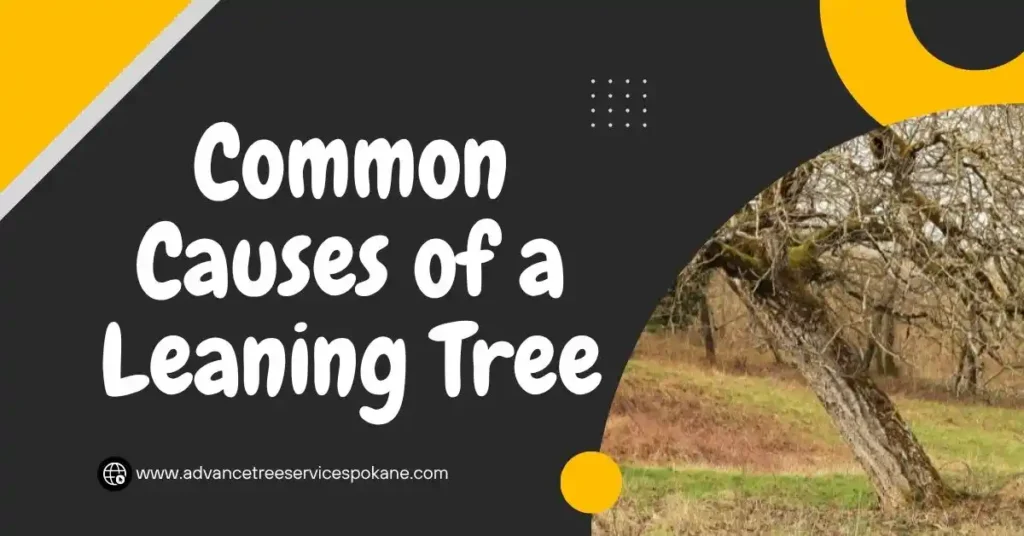
Trees can lean due to several environmental and structural factors. In Spokane, wind, soil movement, and root damage are common causes. Understanding these reasons helps identify whether the tree is stable or at risk.
Weak or Damaged Tree Roots
- Roots damaged by construction or digging
- Pest or disease attacks affecting root strength
- Poor root development from early growth
- Loss of anchoring support
Soil Erosion and Ground Movement
- Heavy rain washing away soil
- Loose or unstable ground conditions
- Soil shifting due to weather changes
- Reduced root grip in the soil
Strong Wind and Storm Damage
- High winds pushing trees off balance
- Snow and ice adding extra weight
- Repeated storm exposure weakening structure
- Uneven pressure on tree trunk and branches
Poor Planting Angle or Improper Tree Setup
- Tree planted at an angle from the start
- Incorrect planting depth or positioning
- Lack of support during early growth
- Long-term imbalance in structure
Signs Your Leaning Tree Is Unsafe in Spokane
Certain warning signs indicate that a leaning tree may not be safe. These include visible root issues, trunk cracks, or increasing tilt. Spotting these early can help prevent accidents and damage.
Sudden or Increasing Lean
If a tree starts leaning suddenly or continues to tilt more over time, it is a serious warning sign. This usually indicates root instability or structural weakness that should be inspected immediately.
Exposed or Uplifted Roots
Visible roots or roots lifting from the soil suggest that the tree is no longer firmly anchored. This condition increases the risk of the tree falling, especially during storms.
Cracks in the Tree Trunk
Cracks in the trunk can weaken the tree’s internal structure. These cracks may lead to splitting or breaking, especially under pressure from wind or snow.
Solutions to Fix a Leaning Tree in Spokane
There are different ways to correct a leaning tree depending on the cause. Methods like staking, pruning, and soil improvement can help restore balance. In serious cases, professional intervention may be required.
Tree Staking and Support Methods
Tree staking is a common method used to support young or slightly leaning trees. Stakes help keep the tree upright while it strengthens its root system. However, improper staking can harm growth, so it should be done carefully.
Tree Pruning to Balance Weight
Tree Pruning helps reduce excess weight on one side of the tree. By removing heavy or weak branches, the tree can regain balance and reduce the pressure causing it to lean.
Improving Soil and Root Support
Improving soil conditions around the base can help stabilize the tree. Adding soil or enhancing drainage can provide better support and reduce further leaning.
When Tree Removal Is Necessary
If a tree is severely leaning or poses a safety risk, removal may be the best solution. A professional tree service in Spokane can safely remove the tree and prevent potential damage to property.
Preventing Tree Leaning in the Future
Proper care and maintenance can help prevent trees from leaning. Good planting practices, regular inspections, and protection from harsh weather all contribute to long-term stability and healthy growth.
Proper Tree Planting Techniques
Planting trees correctly from the start is essential. Ensuring proper depth, straight positioning, and soil preparation helps prevent future leaning problems.
Regular Tree Inspection and Maintenance
Regular inspections help detect early signs of instability, root damage, or disease. Routine maintenance keeps trees healthy and reduces risks.
Protecting Trees from Weather Damage
Protecting trees from strong winds, snow, and storms can help maintain their stability. Proper care during harsh weather conditions is key to long-term health.
Importance of Professional Tree Care
Professional tree care ensures that trees are properly maintained and inspected. Experts have the knowledge and tools to handle leaning trees safely and effectively.
When to Call a Tree Service in Spokane
If a tree shows signs of instability or poses a risk, it’s important to seek professional help. Arborists can assess the situation and provide safe, effective solutions to protect your property.
Signs You Need an Arborist
If your tree is leaning significantly, has visible root damage, or shows cracks in the trunk, it is important to contact an arborist. Professional assessment ensures accurate diagnosis and safe solutions.
Emergency Tree Service for Leaning Trees
In urgent situations where a tree poses immediate danger, emergency tree services can quickly handle the issue. This helps prevent accidents and property damage.
Conclusion
A leaning tree should never be ignored, especially in Spokane where weather conditions can worsen instability. While some leaning trees are harmless, others can pose serious risks if not addressed in time. Understanding the causes, identifying warning signs, and applying the right solutions can help protect your property and maintain healthy trees. When in doubt, consulting a professional tree service in Spokane is the safest and most effective approach.
FAQs
Can a leaning tree be saved?
Yes, many leaning trees can be saved depending on the cause. Early intervention improves the chances of recovery through proper care and support.
Should I fix a leaning tree myself?
Minor issues may be handled with caution, but significant leaning trees should be evaluated by professionals to avoid safety risks.
Is a leaning tree dangerous?
A leaning tree can be dangerous if it shows signs of instability, such as exposed roots or increasing lean, especially during storms.
How much does tree service cost?
The cost varies based on the size of the tree, its condition, and the type of service required. A professional inspection provides the most accurate estimate.